


Over the past few days, the following topics attracted our attention:
Frederiksen: Islamists Inside Europe are the Real Threat
Norway Uncovers Large Family Networks Using False Identities for Residence Permits
French Court Blocks Under-15 Social Media Ban
Frederiksen: Islamists Inside Europe are the Real Threat
Danish Prime Minister Mette Frederiksen addressed the Folketing on Wednesday, answering questions about migratory pressure on the European Union’s external borders and the migrant influx that hit the Spanish exclave of Ceuta. Frederiksen explained that while Russia poses a threat to Denmark, the main problem is that Islamist enemies are already growing from within Europe.
Frederiksen emphasised that, of the undemocratic forces, Russia is the greatest external enemy, but enemies have already begun to emerge from within Europe itself. She explained: “These foreigners who have come to Europe; they are supporters of Hamas; they are the people who carry out terrorist attacks against European societies; they are the people who do not recognise fundamental European values; they are the people who support some of the darkest forces in this world. Europe is therefore under threat. The problem is that we are being threatened both from outside and now from within, but this does not stem from a disagreement between the Danish and Spanish governments, but from people of Islamic background who, unfortunately, do not wish to see an open, free European society.”
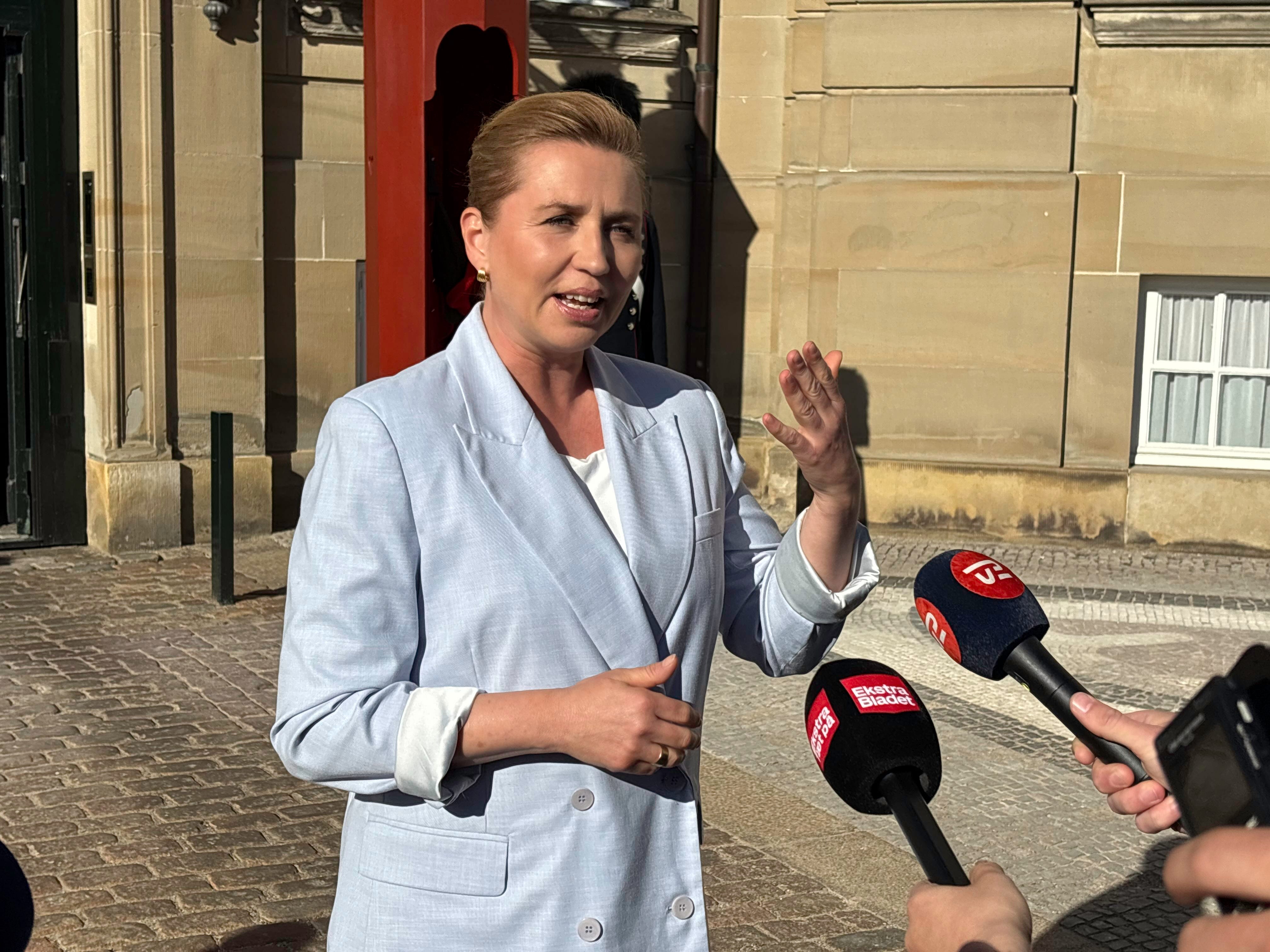
She stated that illegal migration is a serious threat to the whole of Europe, and that the current asylum system is unsustainable, inhumane and devastating Europe. “A completely new approach is needed to eliminate the incentives that only benefit cynical human traffickers,” she said, adding that migration must be brought under control. On the EU’s solidarity, she explained that if solidarity means assistance to send back illegal immigrants and foreign criminals, Denmark is fully in solidarity — though this is not what is generally meant by the term. At the same time, Frederiksen noted that Denmark is opposed to the EU’s migrant relocation scheme and will not participate in it.
Frederiksen was critical of Spain’s migration policy and stated that “we fundamentally disagree with the Spanish government on the issue of foreigners”. According to her, Denmark is completely opposed to the legalisation of illegal migrants in Europe — something Spain did recently when it opened a process that attracted more than 1 million applications to regularise the status of undocumented migrants. “This is a decision that I oppose in every way and by every possible means,” Frederiksen affirmed. Denmark should not have to pay the price for decisions made in Spain. “Denmark must be protected from uncontrolled immigration; Denmark must be protected from Russia; and Denmark must be protected from those forces that wish to suppress our values and way of life, regardless of where those forces come from,” she stated.
Norway Uncovers Large Family Networks Using False Identities for Residence Permits
The Norwegian Directorate of Immigration (Utlendingsdirektoratet, UDI) has uncovered several large family networks that fraudulently obtain residence permits by submitting false information and claim state benefits. The largest networks comprise 20–50 people, and several have operated in Norway for more than 20 years, reports NRK.
The first network is said to have begun as long ago as 25 years ago, with the first people arriving around the year 2000, and new ‘family members’ joining ever since. A second network was discovered by chance during a criminal investigation into honour-based violence, in which the accused was found to hold a different nationality from the one he had used to apply for asylum.
According to Camilla Torgersen, section chief at the UDI, the aim of such networks is to gain access to rights they would not otherwise have, including substantial income from benefits. As a result, the authorities do not know who has actually been granted a residence permit or even citizenship in Norway. In her view, this also poses a security risk, as a false identity can form a basis for criminal activity and unjustified benefit income.
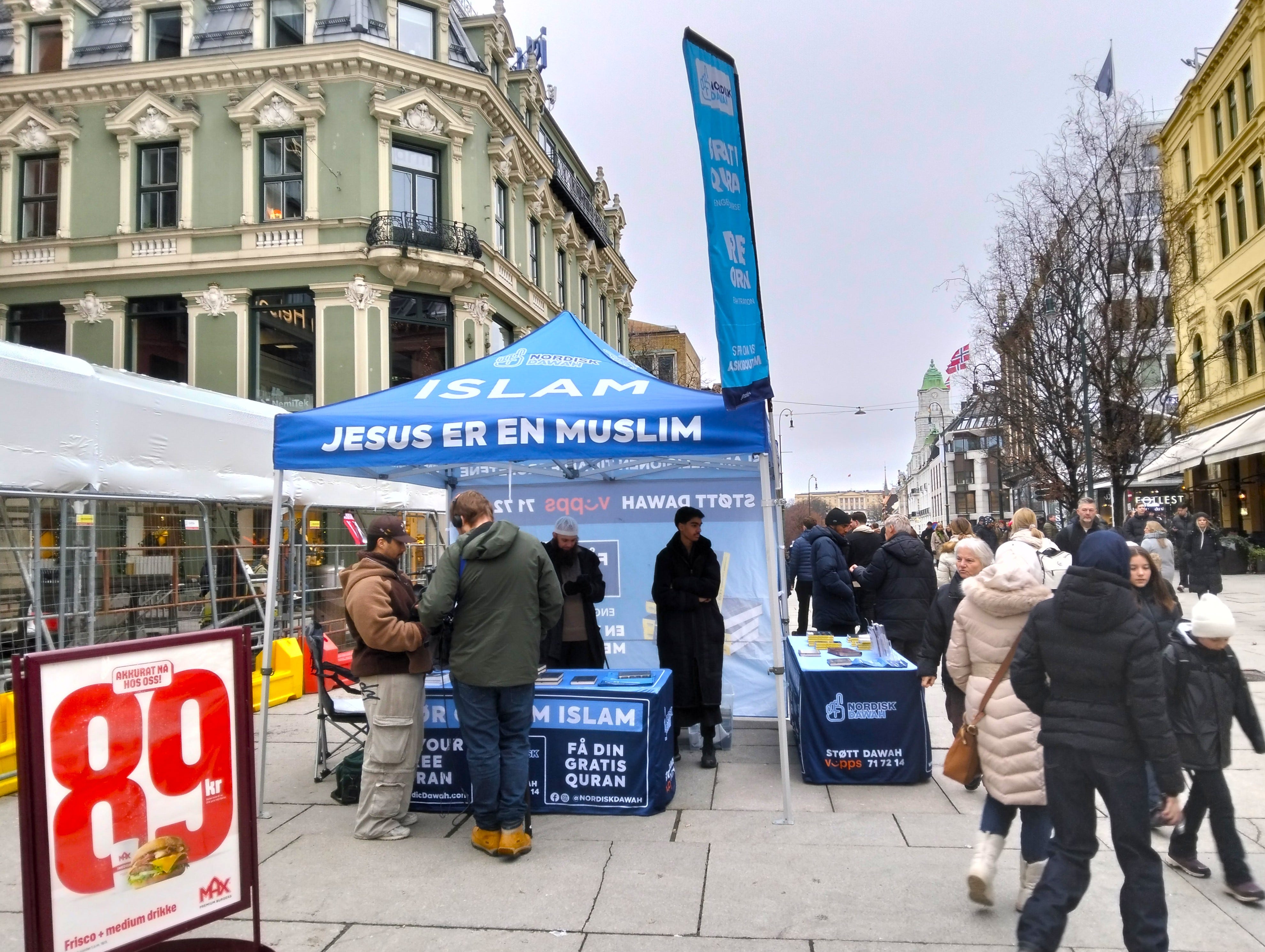
According to the UDI, the majority of the networks uncovered originate from Pakistan, Afghanistan and Somalia. These are societies where the family and the clan are the main social institutions and where loyalty to one’s own network is strong. When applying for asylum, applicants conceal information about their family and social status. Upon arrival in Norway, their mobile phones are often empty and contain no information about where they come from or whom they know there. Consequently, uncovering such networks is extremely difficult, and accurate information often only emerges once they have lived in Norway for several years.
Many of these networks are linked to resource-strong clans involved in large-scale business operations and whose leaders are highly educated and well-known in their home countries. Some of these leaders have had their own militias and contacts with radical organisations and movements, as well as links to other European countries. Huge money transfers from these networks to their countries of origin have also been uncovered.
According to Torgersen, many members of these networks are nevertheless allowed to remain in Norway despite having been caught lying. This is often because citizenship granted to children cannot usually be revoked, as children must not be punished for their parents’ actions. Consequently, the parents are also often granted permission to remain. Other common reasons why a Norwegian residence permit is retained include the person’s health, the length of time spent in the country and successful integration. Residence permits are also revoked; for example, in one network of around 60 people, 30 no longer hold a Norwegian residence permit and many of them have also been deported.
French Top Court Strikes Down Under-15 Social Media Ban
France’s Constitutional Council ruled ruled that the ban on children under 15 using social media restricts freedom of expression and communication. The Council explained that while protecting children online is justified, the provisions “restrict freedom of expression and communication in a manner that is neither relevant, necessary nor proportionate to the objective pursued”.
The Council also found that the law does not set out clear rules on how people should prove their age or what the penalties are. Moreover, as all individuals – including adults – would be required to prove their age, there is insufficient guarantee that everyone’s right to privacy will be upheld. The Council noted that the legislator had failed to take parents’ rights into account, as there was no provision to revoke or amend the ban. Furthermore, the law did not provide any scope to take other circumstances into account, such as the child’s maturity, reports Deutsche Welle.
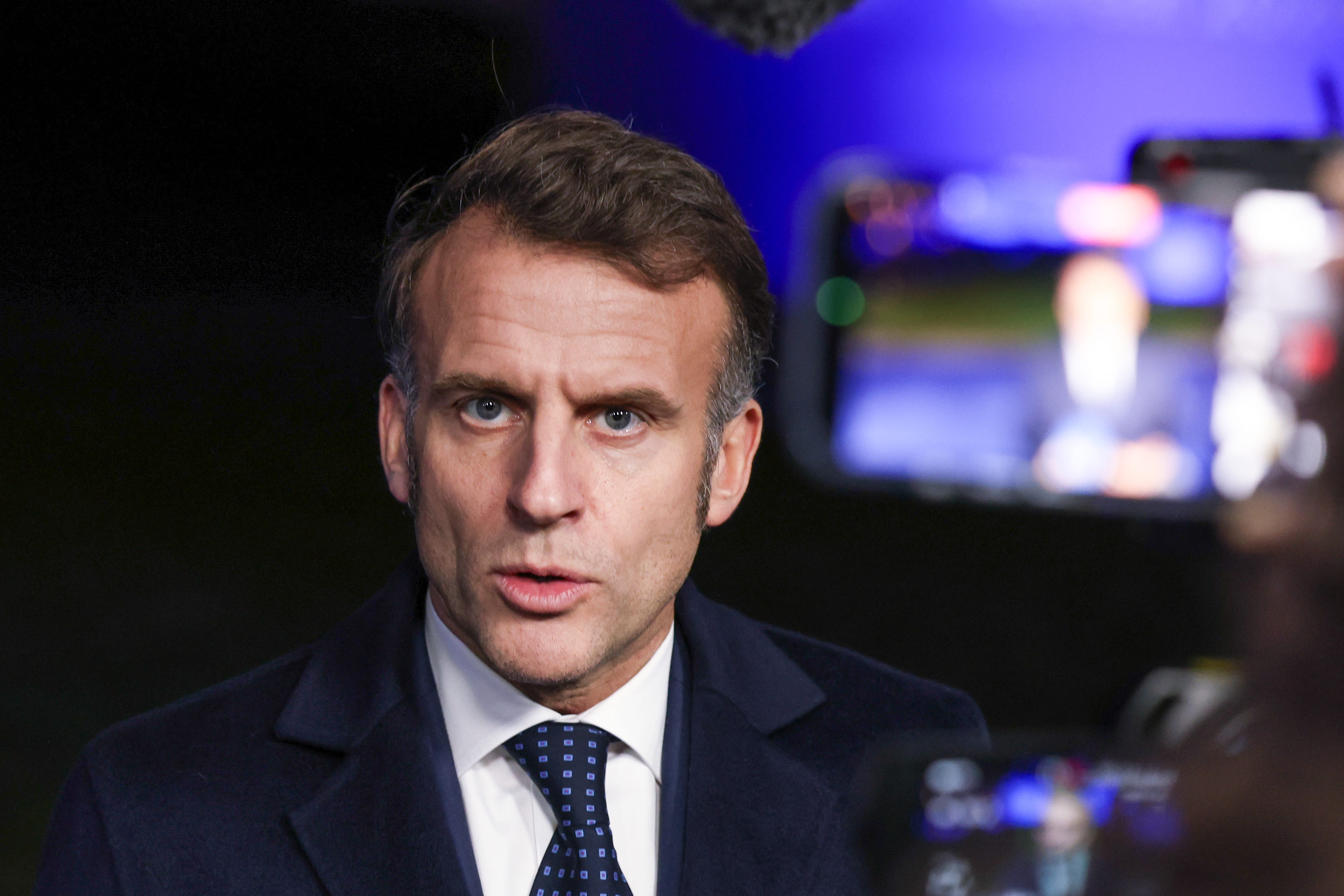
The ban on social media for children and young people is one of the key political initiatives of President Emmanuel Macron’s second term, which French lawmakers approved last month. Under the law, from 1 September, children under 15 would not have been permitted to open social media accounts, and platforms would have had until the start of 2027 to close existing accounts. In addition, the same law banned mobile phones in secondary schools – these provisions were not overturned by the Council.
President Macron has instructed Prime Minister Sébastien Lecornu to review the bill and resolve the issues raised by the Constitutional Council. The President’s aim remains for the ban on social media for children and young people to come into force before the 2027 presidential election in France.
The Danish PM is on Isreals payroll