


Over the past week, the following topics attracted our attention:
EU Taxpayers’ Money Funnelled to Muslim Brotherhood Networks
FDA Probes COVID Vaccines’ Link to Deaths
French Interior Minister: High Terror Threat to Christmas Markets
Macron Seeks Stronger Internet Censorship
EU and Canada Agree on Digital ID Cooperation
EU Taxpayers’ Money Funnelled to Muslim Brotherhood Networks
A new report entitled “Unmasking the Muslim Brotherhood” states that European Union institutions have provided millions of euros in support to organizations linked to the Muslim Brotherhood, which promotes Islamism. In other words, the EU, national governments, and regional authorities have for years been funding Islamist networks, often in the name of social inclusion, anti-discrimination, and youth engagement, writes The European Conservative.
According to Charlie Weimers, the ECR’s representative for Sweden, “In Europe, the Brotherhood is a wolf-in-sheep’s-clothing disguise, shunning violence for a slick, pragmatic façade.” They present themselves as innovative leaders who want to work within existing systems and engage with government and society. But their ultimate goal is still to dismantle Europe’s secular, democratic institutions and establish a regime based on the Quran. However, when it comes to the Muslim Brotherhood and its influence, European institutions and others seem to be wilfully blind.
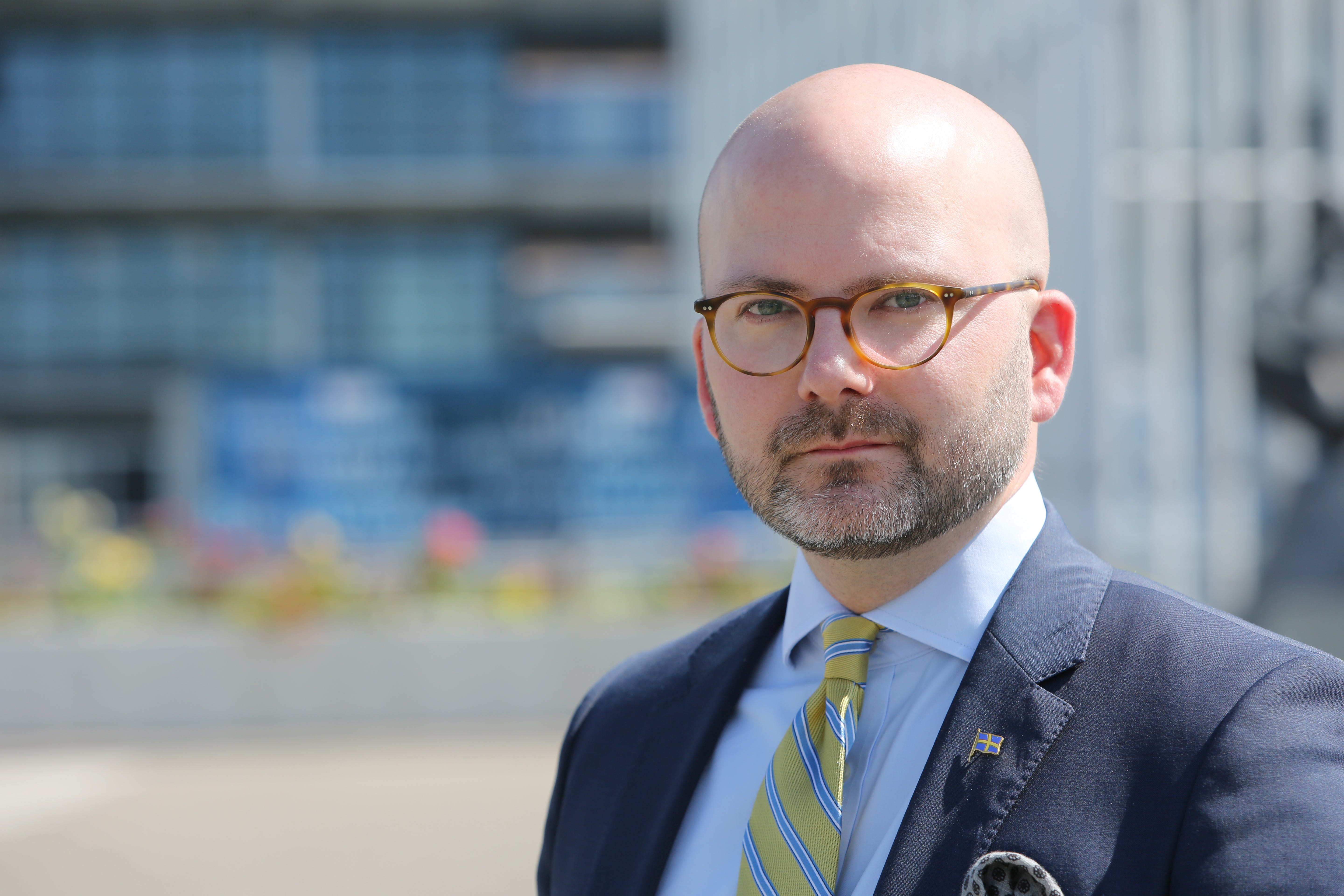
Weimers’ report points out that the growing Muslim community in Europe has forced the EU to seek contact with the community in order to improve integration. However, ever too often do the EU institutions turn to organizations affiliated with the Muslim Brotherhood. The report states that the strength of the Muslim Brotherhood lies in its sources of funding, political influence, and complex network, which is like a labyrinth. It consists of many semi-autonomous groups linked by ideology, family ties, and personal relationships. All this together enables the Brotherhood to operate smoothly almost anywhere in the world.
According to the Brotherhood’s general plan of action, mosques and Islamic cultural centres are established first. Soon, these are presented as the voice of the Muslim community, regardless of how few in the community actually support their ideology. Representatives of the mosques and cultural centres then engage with state institutions and society, organizing various projects, such as those promoting education and religious freedom, social justice, multiculturalism, and combating “Islamophobia.”
All of these separate organizations appear legitimate at first glance, but the educated individuals from these same “cultural centres” will gradually infiltrate public life, schools, healthcare, businesses, and local governments. Therefore, the report states: “It is not exaggeration or conspiracy to say that the MB and its conscious or unconscious allies have gained a deep foothold in European societies, strengthened with money, influence and the skilful use of ideology.” Those working for the Brotherhood all share a common, larger plan: to change the society, adapt it, promote the Islamic way of life, teach and instill the “correct” understanding of Islam, and fight against the “false” versions of it. On the surface, members emphasize moderation and offer assistance to security agencies to prevent terrorist attacks. At the same time, however, they promote a separatist ideology based on a strict interpretation of Islam.
The financing of organizations associated with the Brotherhood is as complex as its structure. According to the report, most of the funding comes from small donors, wealthy patrons, and Persian Gulf countries such as Qatar, but a significant portion also comes from European institutions, national governments, and regional agencies. The report highlights several associations that have received EU support and have been accused of maintaining links with extremist groups.
One of the main recipients of EU support is Islamic Relief Worldwide, which has received more than €40 million since 2007. This is despite the fact that senior officials of the association have made anti-Semitic statements and the association has, allegedly, links to Hamas. The report also refers to an EU-funded academic project involving the Islamic University of Gaziantep, whose leadership has publicly supported Hamas. In addition to these, the report mentions several other associations, such as the European Network Against Racism (ENAR), which has received €23 million in funding from the EU since 2007; the European Muslim Union, which has received over €1 million in funding from the EU; and the Forum of European Muslim Youth and Student Organizations (FEMYSO), which has received approximately €300,000 in EU funding.
Among the projects supported, the report highlights the “Freedom in Hijab” campaign, which promoted the “liberating hijab” as part of an EU-supported anti-discrimination initiative. The campaign was later withdrawn because it caused a political backlash in France and other member states, but according to the report, it illustrates well how institutional inclusion principles can be used to promote Islamist messages.
Similar findings emerged this spring in a French Interior Ministry report commissioned by Minister Bruno Retailleau, which concluded that the Muslim Brotherhood is actively reshaping French society through mosques, schools, associations and online platforms, targeting religious infrastructure, education, media, and local communities. Like Weimers’ report, it notes that the Brotherhood seeks political influence by infiltrating parties and mobilizing Muslim votes, while publicly projecting moderation but privately promoting anti-Semitism, gender segregation, and ideological separatism. Several organizations overlap with Weimers’ list, notably FEMYSO, described as a training hub for Brotherhood cadres. The French report stresses that the Brotherhood’s influence extends well beyond France. A November poll showed 24% of French Muslims support the Brotherhood, with one in three young Muslims feeling close to its ideology – suggesting growing appeal amongst youth – and a majority prioritizing Sharia over the republican law. In July, President Macron announced that he would introduce measures to combat Islamism by imposing sanctions and increasing the monitoring of organizations. The measures include plans to freeze financial support for certain organizations and ban certain activities, as well as plans to improve the training of imams in order to reduce their dependence on their countries of origin.
However, despite these warnings, defenders of the current EU funding model insist there is no convincing evidence that EU money has been used for illegal activities. On the contrary, they argue, that the supported organizations play a vital role in social inclusion. Weimers, however, does not say the problem is one of legality but of whether these groups align with democratic values.
The report concludes that these are not isolated cases or administrative errors, but a systemic trend that threatens European democratic cohesion. Upon its release, Charlie Weimers wrote on X: “A new report reveals how EU funds are being exploited to support organizations linked to the Muslim Brotherhood (MB). These groups, masquerading as inclusive, use financial support from the EU to push a separatist agenda that undermines European values such as freedom, democracy, and equality.”
Weimers also noted that while the US is moving to designate and ban certain Muslim Brotherhood branches, EU institutions continue funding them. In his view, restricting the financing of Islamist organizations is not merely a political choice but a moral and democratic obligation.
FDA Probes COVID Vaccines’ Link to Deaths
The US Food and Drug Administration (FDA) has begun investigating deaths that it believes may be related to COVID-19 vaccines. The Department of Health and Human Services did not immediately specify which age groups would be included in the FDA investigation. Previously, FDA Commissioner Marty Makary said that the agency was investigating such deaths among young people and children, according to Reuters.
The current decision was apparently prompted by a memo from Dr. Vinay Prasad, director of the FDA’s Center for Biologics Evaluation and Research (CBER), stating that COVID-19 vaccines are implicated in the deaths of at least 10 children. Prasad’s memo discussed a study that looked at 96 death reports submitted between 2021 and 2024 to the Vaccine Adverse Event Reporting System (VAERS). At least 10 of the cases reviewed met the criteria for a potential causal link to the coronavirus vaccine.
Vaccine manufacturer Moderna reiterated its previous statement that there are no new or unreported safety concerns with the Spikevax mRNA vaccine in children or pregnant women. Pfizer and its partner BioNTech also confirmed the safety and efficacy of their mRNA vaccine. However, independent researchers have long pointed out that vaccines from both manufacturers cause dangerous side effects that can be fatal. For example, Turkish researchers have discovered that Pfizer’s COVID-19 vaccine can cause changes in the cornea of the eye, which can lead to vision problems and eventually even blindness. South Korean researchers, at the same time, concluded from the health records of more than 8 million people that vaccination against the coronavirus may increase the risk of several types of cancer, including lung, breast, and prostate cancer, within a year. Israeli research has shown that there are more miscarriages than expected among pregnant women vaccinated against COVID-19, and a study based on Czech data showed that women vaccinated during the coronavirus crisis had a significantly lower live birth rate when they became pregnant than those who had refrained from vaccination. Several scientific articles have also been published (e.g. here, here, here) that justify the need for a more thorough investigation into the causes of excess mortality since the coronavirus pandemic, including possible links to vaccination.
Since President Trump appointed Robert F. Kennedy Jr. as Secretary of Health and Human Services, U.S. vaccine policy has undergone major changes. In May, Kennedy announced that all new vaccines and updates – including COVID-19 vaccines – must undergo placebo-controlled clinical trials. Recommendations for COVID vaccines were withdrawn for healthy pregnant women and children, and a blanket endorsement overturned even for people over 65 or at high risk, where the FDA now advises only shared doctor-patient decisions. COVID vaccines were also removed from the childhood and adult immunization schedules.
Under Kennedy’s leadership, the Vaccines and Related Biological Products Advisory
Committee was dismissed and replaced with new members, including scientists who have been critical of COVID-19 vaccines and their rapid development. The
new committee has recommended abandoning mercury-containing (thimerosal)
flu vaccines, abandoned the recommendation for hepatitis B vaccination for all newborns, announced plans to cut mRNA vaccine funding, and stated that a link between all vaccines and autism cannot be ruled out.
French Interior Minister: High Terror Threat to Christmas Markets
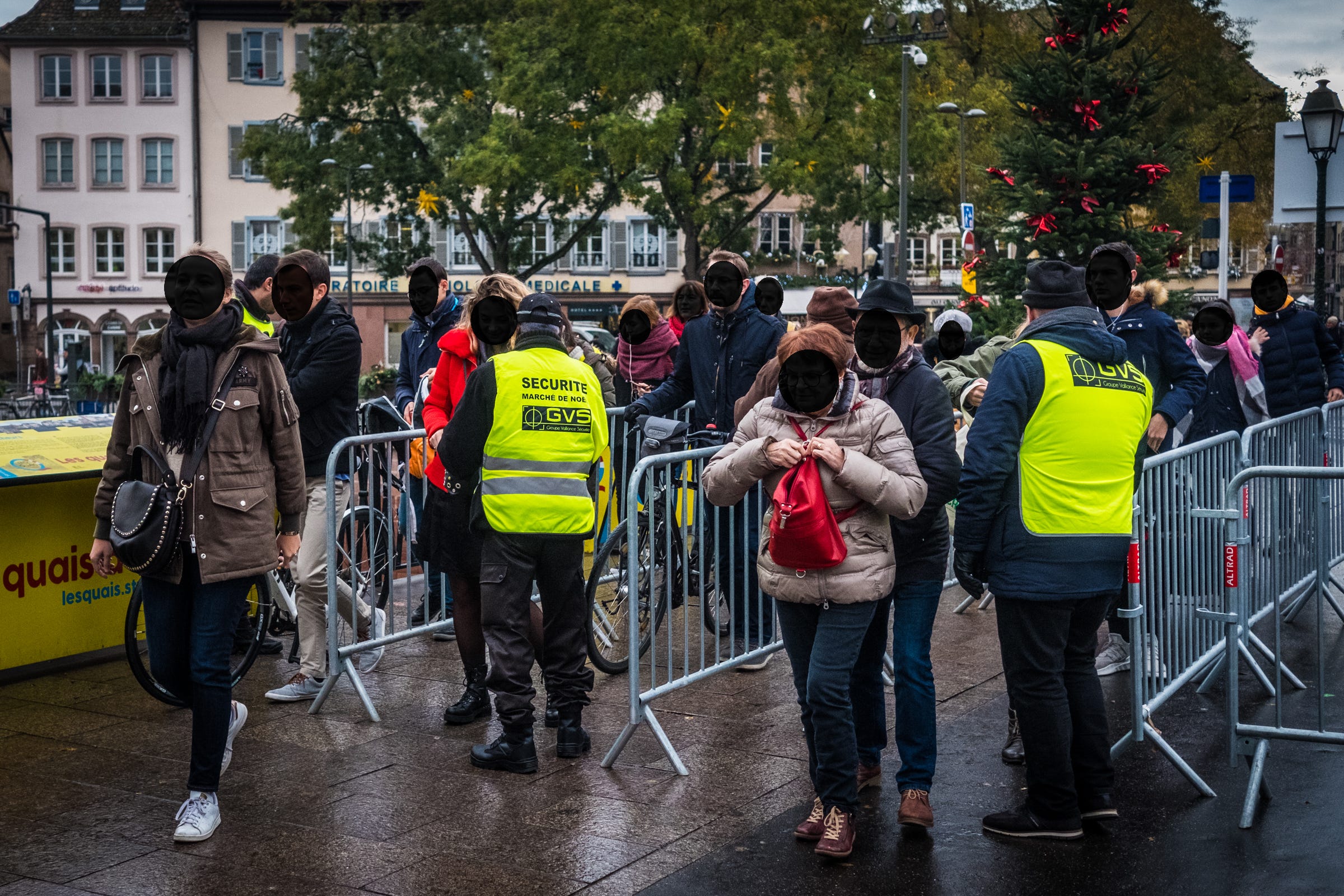
Due to the threat of terrorism, French Interior Minister Laurent Nuñez has ordered regional authorities to strengthen measures in places where large crowds gather, including Christmas markets. The measures include restricting vehicle access and monitoring all video surveillance networks in the area. Police and soldiers must be visible in public places and their presence must serve as deterrent. The instructions apply not only to the police but also to all other participants in the security sector, such as mayors, private security companies, transport companies, and volunteers, writes The Telegraph.
Interior Secretary Nuñez referred to several previous terrorist attacks in Europe when giving his threat assessment. For example, in December last year, a man drove a car into pedestrians at a Christmas market in Magdeburg, killing six people and injuring more than 300. The investigation revealed evidence that the suspect, who was from Saudi Arabia, had expressed extreme views on social media and said that if he had the opportunity, he would attack the Christmas market again. Similarly, in 2018, there was an incident in Strasbourg, where an Islamist extremist killed five people and injured 11 others with a knife and a revolver.
Even the British Foreign Office has warned of the threat of terrorism in France, stating that it is particularly likely in shopping centres and other crowded places. The Foreign Office has highlighted some previous incidents, such as the 2023 attack in central Paris, in which one person was killed. It should be noted, of course, that the situation in the United Kingdom is not much better, and according to MI5, there is also a real threat of terrorist attacks.
Of course, these are not the only security measures in France. Shortly before the current announcement, Paris decided to cancel the traditional New Year’s concert on the Champs-Élysées due to major security concerns. More than a million people were expected to attend the festive concert, but the city’s police chief recommended cancelling it due to the risk of stampede and fights. Fears about security threats have been fuelled by New Year’s concerts in previous years, where the police have had to work hard to control huge crowds. Last year, more than 6,000 police officers were present in Paris, controlling access to the Champs-Élysées at three checkpoints. Unfortunately, police chiefs have decided that even this would not be enough this year. Instead of a large concert, Paris will now broadcast a pre-recorded concert on national television. The midnight fireworks display at the Arc de Triomphe will still go ahead as planned.
Several politicians have criticized the cancellation of the Paris concert. Bruno Retailleau, leader of the right-wing Les Républicains and former interior minister, called it a capitulation to growing barbarism. According to Retailleau, security concerns cannot be ignored, but people must still have moments to celebrate and come together. On the left, mayoral candidate Emmanuel Grégoire also criticized the decision, saying that the authorities had failed to fulfill their responsibilities and warning that cancelling such events could damage civic spirit in Paris.
Macron Seeks Stronger Internet Censorship
French president Macron has recently stated that Europe is in a stranglehold of fake news and described plans that he called “information and cognitive warfare,” which its critics now call a national security doctrine of memes, writes Reclaim The Net.
Macron described a massive expansion of France’s digital control, further expanding the already extensive powers of state authorities, with plans to issue censorship orders more quickly and to take legal action against “fake accounts.” According to Macron, there is also a need for criminal liability for platforms and a social media ban for those under the age of 15, which will be enforced using probably the same age verification system that is used for pornography.
In his speech, he conflated misinformation, harassment, and child protection into a single moral emergency that requires more state power and faster judicial responses. What resonated was Macron’s desire to simply press the “delete” button – although France already has a government agency, Viginum, which monitors foreign digital interference, according to the president, the agency can currently only request the removal of information, and the process is extremely time-consuming, complicated, and slow.
Thus, according to Macron, the only real solution is to make platforms responsible in the same way that the media is responsible for all content that passes through their servers. According to the president, it is possible to ask the press to remove false information or to monitor it closely, but it is very difficult to delete statements published elsewhere on the web. As an example, the president cited a case where a post claiming that France had sent 1,000 legionnaires to Ukraine spread rapidly. In the face of such cases, the president believes it is necessary to manage the internet and to do so with the help of hired teams on a daily basis – a permanent ‘disinformation fighting’ army. The president praised the tactic of combating false information whereby the government prepares people by informing them that one piece of “false information” or another is to be expected soon (prebunking), i.e. labelling certain information as false even before it begins to spread.
Macron also criticized the United States, where, in his view, large companies control the government and seek to make as much money as possible without any accountability. The president accused Washington of trying to block the European Union’s Digital Services Act (DSA). The DSA has also been called a censorship law because it gives EU member states the means to regulate freedom of speech on the internet. On last Friday, the European Commission issued its first huge fine under the DSA – to Elon Musk’s X.
However, Macron believes that proceedings are too slow under the current law, with some of the French cases having been pending before the European Commission for two years. As a solution, Macron naturally proposes greater state control, faster court-ordered content removal, tougher laws, and a more assertive Europe. Macron believes that France’s existing “fake news” law, which currently only applies to election periods, should be extended to daily life for all ordinary citizens. This would mean that, in the future, anyone who feels certain information is “damaging to their dignity” could obtain a rapid court order to have it removed from the internet.
In addition, Macron announced that France will impose a social media ban on children under the age of 15, comparing social media to alcohol and TikTok to Bordeaux wine: “Sixty years ago, we offered wine to children. We have banned that.” In any case, France appears to be working on a social media ban with age verification, which will likely require all citizens to prove their identity and age in one way or another.
Macron promised that the draft laws would be ready in early 2026, along with several European initiatives. It is also worth remembering that the European Commission has recently published similar plans. For example, in addition to the existing laws such as the Digital Services Act, Europe is moving forward with a chat control plan, an artificial intelligence initiative, a social media ban for young people with age verification, and a democracy shield. The necessity of all these plans is justified by the safety of children and the need to combat disinformation, but on closer inspection, it becomes apparent that Europe wants further opportunities to monitor and control its citizens, look into their private messages, and to ban or punish.
EU and Canada Agree on Digital ID Cooperation
Representatives of the European Union and Canada agreed at Monday’s Digital Partnership Council meeting to work together in ensuring their digital IDs identity systems work in both jurisdictions. The EU and Canada signed a memorandum of understanding on “Digital Credentials, Digital Identity Wallets, and Trust Services,” according to Biometric Update.
The MoU builds on the joint statement from the Canada-EU summit held in June this year, in which the parties committed to harmonizing their digital frameworks. The goal is to “to establish interoperable digital identities and digital credentials to facilitate interactions between our citizens and our businesses.” Following the agreement, the Digital Identity and Authentication Council of Canada (DIACC) has endorsed a future digital trade agreement and the possibility of mutual recognition of digital IDs.
Going forward, the EU and Canada plan to establish a dedicated expert forum to conduct trials aimed at promoting cross-border interoperability, based on Canada’s new digital identity framework and the EU’s digital identity wallet framework (eIDAS).
The parties will also exchange best practices and information, test digital authentication technologies, and create opportunities where possible, and strengthen cooperation on AI innovation, including collaboration on AI Factories, linking high-performance computing infrastructure, and deepening research cooperation in strategic technology areas such as AI and quantum computing.
Negotiations on similar digital partnership plans are also underway between the EU and Singapore, where digital cooperation plans include artificial intelligence, cyber security, cross-border interoperability, and, of course, digital ID systems. Both sides also wish to jointly address the risks of web platforms and age verification tools to protect minors.
This piece really made me think. Vetting trully is a complex algorithm for such vital funds.
The Canadian digital ID standards Part 0 (CAN/DGSI 103-0) are interesting. They define a person as a subject who is issued a certificate authorizing them to do an activity such as driving a car, and this can be revoked or suspended based on mandates or regulations, etc.
This is certainly not a system that recognizes natural or negative rights of persons. Only positive rights exist for persons within such a system.