


Over the past few days, the following topics attracted our attention:
Germany Expands Federal Police Powers: AI Surveillance, Facial Recognition, and Drones
Ofcom Has Placed iMessage and Messenger Under Scrutiny
Russian Anti-War Activist Deported from Turkey Arrested in Moscow
Germany Expands Federal Police Powers: AI Surveillance, Facial Recognition, and Drones
Last week, the German Bundestag approved a new law granting the federal police a range of new powers. The police will be authorized to use drones, artificial intelligence, and enhanced surveillance of telecommunications. The law also makes it easier to detain immigrants awaiting deportation, according to Deutsche Welle.
According to the government, the new federal police law was urgently needed to keep pace with technological developments and evolving threats to public security.

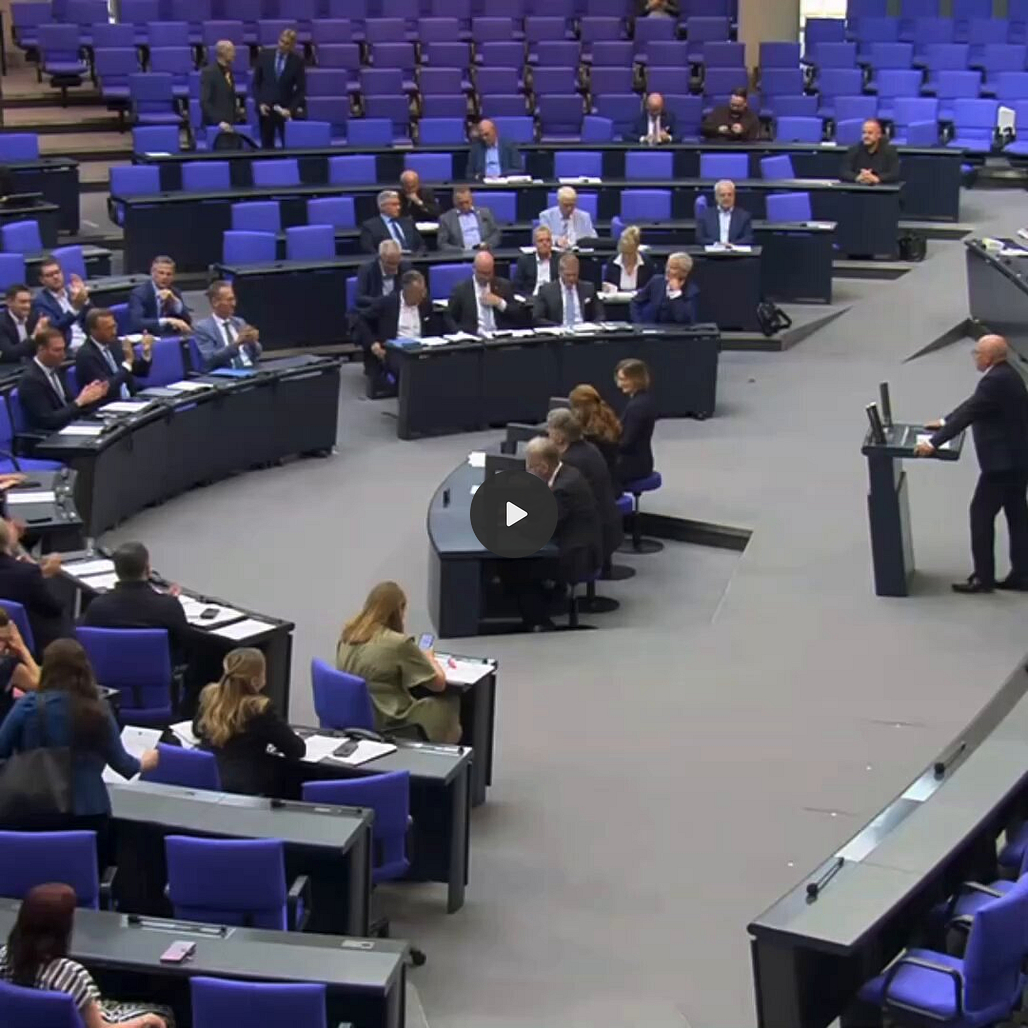
Under the new Federal Police Act, the Federal Police may use AI-supported facial recognition in public places under their jurisdiction, such as airports and train stations. The AI is also permitted to assess behavior - for example, detecting threatening or conspicuous actions in a crowd and alerting officers.
In addition, the new law grants the police greater authority to use surveillance software on end-user devices for “preventative surveillance.” It also authorizes drone use in high-traffic areas like train stations and near borders. The law further details responses to threatening unmanned aerial vehicles, allowing signal blockers, electromagnetic pulses, and even firearms, allegedly, only as a last resort.
During a Bundestag debate, opposition parties criticized the use of facial recognition with behavioral analysis. “Imagine this: Your train is two hours late ... and you’re angry, pacing back and forth on the platform in frustration. To the AI, this is a ‘suspicious lingering behavior.’ It thinks you’re a pickpocket,” said Clara Bünger of the Left Party. She described the law as a step toward authoritarianism and a surveillance state that weakens fundamental rights.
Michael Kolain, Head of Policy at the Center for Digital Rights and Democracy, called the measures controversial. He warned that facial recognition creates infrastructure for mass surveillance and suspends anonymity in public spaces. On “preventative surveillance,” he noted the risk of sensitive personal data reaching security forces - “like they can read your diary” in the worst case. Critics argue that by allowing for “more effective” monitoring of online communications, the Federal Police could likely deploy technologies and databases nationwide that until now have been used only in individual operations or, to a limited extent, by police units in certain federal states. “These are measures that we know from China, from Iran, from Russia, but which are extremely unusual for German circumstances,” Kolain stated.
Human rights organizations are concerned that the law gives the federal police more powers to detain immigrants due for deportation and conduct random searches. Amnesty International’s statement warns these provisions provide a gateway for racial profiling. According to Julia Duchrow, Secretary General of Amnesty International Germany, there is a growing dangerous imbalance: police powers of control and surveillance are expanding, while transparency, accountability, and data protections lag or are even rolled back
Human rights and digital rights groups assess that the new law poses significant risks to democratic freedoms and is likely to face challenges before Germany’s Constitutional Court. However, such proceedings can take years, allowing the federal police to implement the law in the meantime.
Ofcom Has Placed iMessage and Messenger Under Scrutiny
The UK communications regulator Ofcom has decided to place the world’s two most popular messaging apps - Apple’s iMessage and Meta’s Messenger - under scrutiny.
They have now been designated as emerging Category 1 services, which could quickly lead to reclassification as full Category 1 services. This would require them to comply with identity verification and other strict obligations, reports Reclaim The Net.
The UK’s Online Safety Act classifies online services into tiers, with Category 1 being the highest. This tier includes major platforms that must follow the strictest rules. Currently, there are 11 platforms on this list: Facebook, Instagram, Pinterest, Quora, Reddit, Roblox, Snapchat, TikTok, WhatsApp, X, and YouTube. But for platforms like Apple’s iMessage and Meta’s Messenger Ofcom has created a separate list of emerging Category 1 services that includes also Threads, and Wikipedia. These are “new services” very close to meeting the full Category 1 threshold.
According to Ofcom, an emerging Category 1 service does not need to be similar to a full Category 1 service. It can qualify based largely on user numbers, even if other required features are missing. Critics argue that Ofcom is labeling services as “emerging” Category 1 even when they lack the characteristics that would justify full classification.
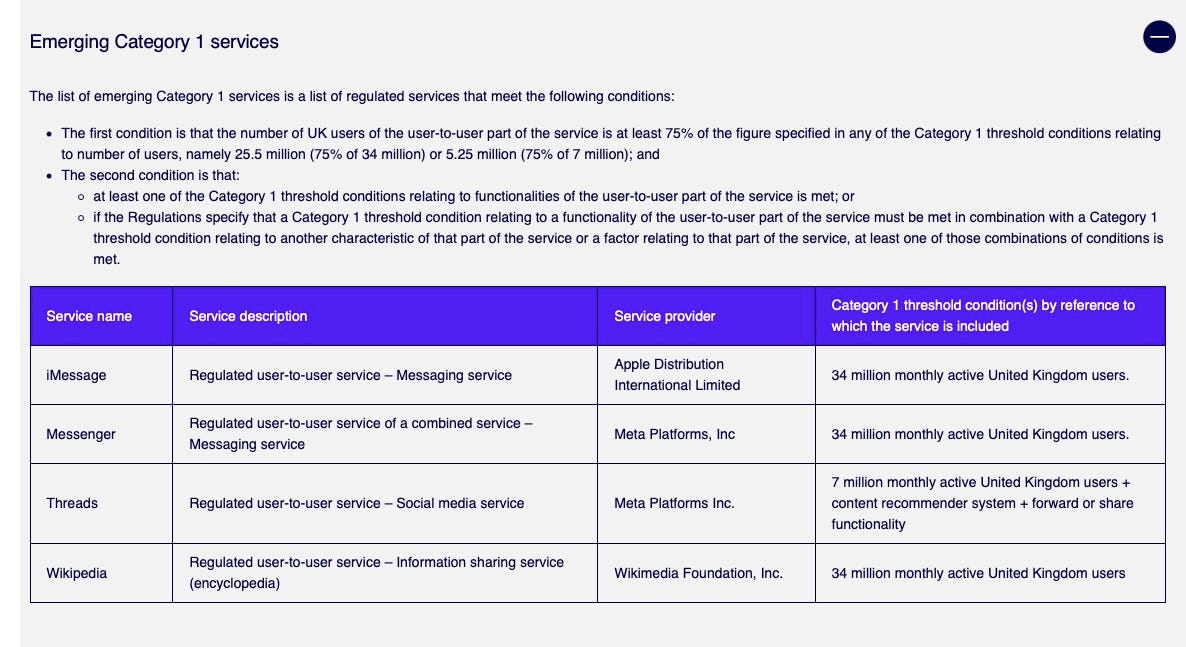
The requirements for Category 1 services are strict. Such platforms must offer users “voluntary” identity verification. At the same time, platforms have the option to block anyone who has not verified their identity. For example, Wikipedia editors could block all unverified authors, effectively turning voluntary verification into mandatory. Such “voluntary” compulsion can be implemented across web services.
In addition, Category 1 platforms must assess the likelihood that an adult user will encounter content that, while legal, is officially undesirable. This includes material offensive on the basis of race, religion, gender, sexual orientation, disability, or gender identity, as well as content that incites hatred against people in those groups. Platforms must also implement “voluntary measures” to filter such content, improve complaint systems, enforce terms of service, and publish assessments of how these mechanisms impact users’ freedom of speech and privacy.
Largely due to such categories, Wikipedia took Ofcom to court last year, warning against the broad definitions in the Online Safety Act that could cover the non-profit encyclopedia. In August, the High Court dismissed the appeal but left open the possibility for Wikipedia to return court if Ofcom “(impermissibly) concludes that Wikipedia is a Category 1 service.” The court added that the ruling does not give Ofcom or the Secretary of State the green light to implement regulations that would significantly impede Wikipedia’s operations. Now, however, Ofcom has devised a new list - the “emerging Category 1 services” - which includes Wikipedia as well as iMessage and Messenger. A service can be moved to the full Category 1 list with relative ease.
Russian Anti-War Activist Deported from Turkey Arrested in Moscow
Turkey deported Ariadna Litvinova (24), who was wanted in Russia, where authorities accuse her of discrediting the military. The charges stem from her writing “Murderers! Peace to Ukraine!” and “Freedom for political prisoners” on banners during a pro-war exhibition in St. Petersburg in February 2025. She now faces up to seven years in prison, according to The Moscow Times.
Russian authorities first detained Ariadna Litvinova in February 2025 for these anti-war statements. She was sentenced to an administrative fine of 50,000 rubles (about €570) for discrediting the military and was sent to pretrial detention on charges of vandalism motivated by political hatred. In March 2025, the court changed the measure to a ban on certain activities, but no travel ban was imposed, and Litvinova managed to flee to Turkey, where her father lives. Later, the authorities reclassified her actions as a criminal offense of repeated discrediting of the armed forces combined with causing property damage. In February 2026, the court replaced her restrictions with an arrest warrant, and she was placed on an international wanted list.
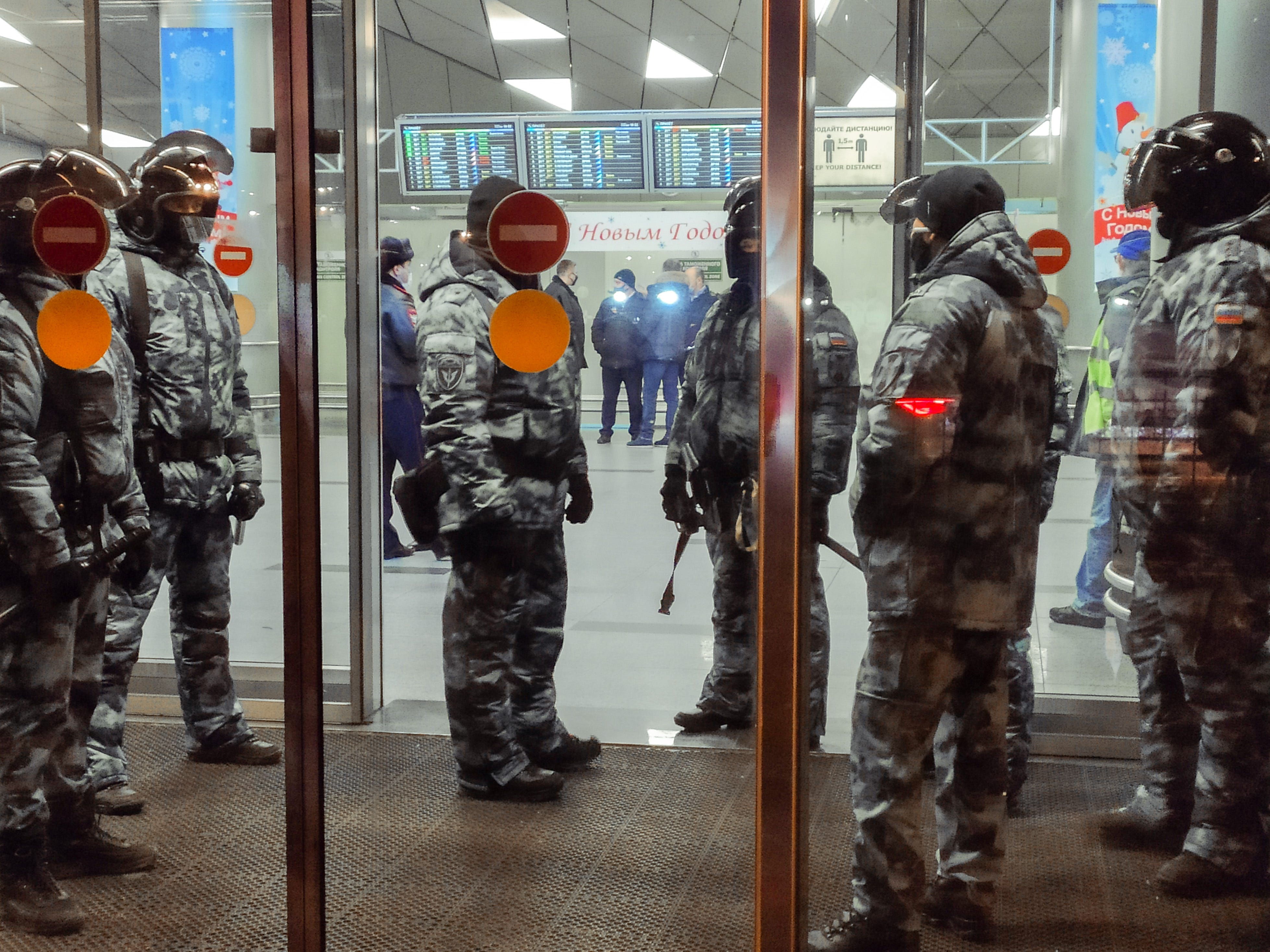
In July 2026, Turkey decided on its own initiative to deport Litvinova. The official reason was that she had exceeded the permitted duration of her visa-free stay and failed to obtain a residence permit. Ankara transported her to Moscow’s Vnukovo Airport, where, according to her representative, she was immediately detained. Litvinova now faces up to seven years in prison. According to her lawyer, all contact with her has been cut off, but she was expected to be transferred to St. Petersburg.
According to the human rights organization Memorial, Litvinova’s case is clearly politically motivated unlawful persecution. The provisions on “repeated discrediting of the armed forces” used against her contradict the Constitution and international principles, and such laws have been created to silence critics of the government. Other countries have also begun deporting Russian critics and anti-war activists. For example, Kazakhstan has granted at least four requests from Moscow this year. According to human rights lawyers, deportation is increasingly becoming a tool to repress Russian anti-war activists living abroad. Unlike formal extradition, deportation does not require lengthy legal proceedings, and countries can invoke sovereignty as justification. It is also harder to determine whether there was behind-the-scenes cooperation.
"The law further details responses to threatening unmanned aerial vehicles, allowing signal blockers, electromagnetic pulses, and even firearms, allegedly, only as a last resort."
Who decides what is a threatening UAV and how is it decided?
By signal blockers does it mean jamming?
By electromagnetic pulses does it mean high energy lasers?
By using firearms does it mean human-fired, or will drones use firearms against drones?