


Over the past few days, the following topics attracted our attention:
Irish Ad Urges Grandparents to Seek Consent for Hugs
UK Charities Pay White Staff Lower Wages
The European Parliament Calls for Measures Against Islamist Infiltration
Irish Ad Urges Grandparents to Seek Consent for Hugs
As part of the ‘We-Consent’ campaign by the Dublin Rape Crisis Centre (DRCC), a social media clip was released showing grandparents hugging one grandchild while another looks uncomfortable, and reminding viewers that they should ask for consent first, reports the BBC.
In the clip, grandparents hug one grandchild and reach out to hug another, who looks uncomfortable. A graphic and voice-over then state: “Not everyone wants a hug. Even from the people who love them. Awkward? Maybe. Important? Absolutely.” The tone is light-hearted and aims to stress the importance of consent for children.

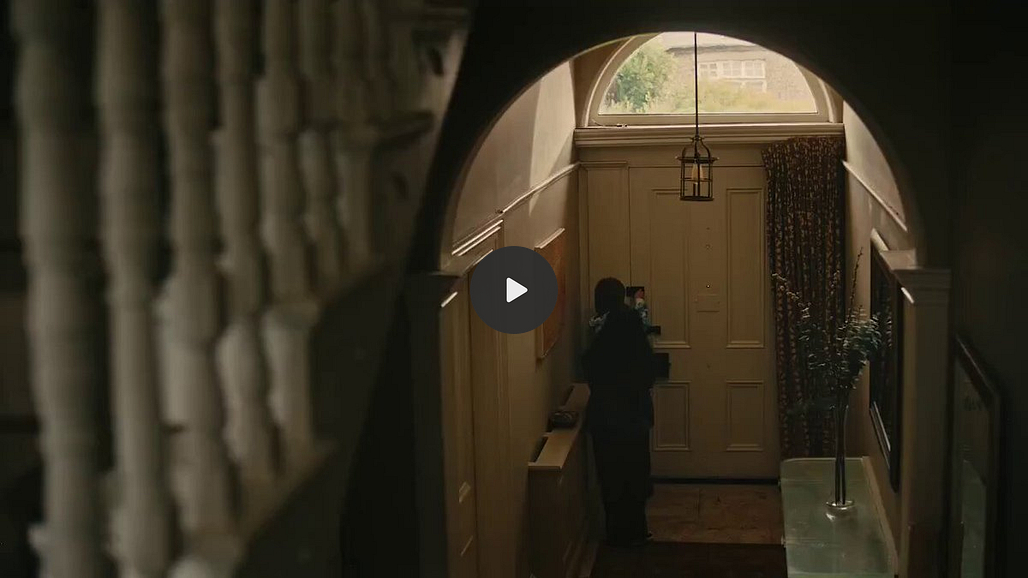
The advert has sparked heated debates about changing norms, the role of the family and how best to teach children about consent. Critics argue that the video demeans grandparents and wastes public money. Many see it as thoughtless and, at worst, offensive to the older generation. Some ask whether the next step will be consent forms before visiting family.
Ireland’s Minister for Justice, Jim O’Callaghan, has been one of the main critics, even though his ministry helps fund the wider campaign. According to O’Callaghan, the video does not represent the government’s view. “It was both inappropriate and demeaning to grandparents and has been removed by the DRCC following my officials’ engagement with them. Whilst it is vital to ensure that people understand the concept of consent when it comes to sexual relationships, this video did not advance that aim and in many ways was counterproductive,” he explained. A Ministry of Justice spokesperson added that the clips were produced at minimal cost with volunteers and were not part of a government-funded advertising campaign.

According to Eoin O’Malley, a lecturer at Dublin City University, the clip is another example of excessive state intervention. He said that whilst most people understand the importance of consent, this video was too extreme. “The idea that there needs to be an advert telling grandparents that they shouldn’t hug their grandchildren, that they should seek permission beforehand, seems absurd to most normal people,” O’Malley explained, adding that under the Constitution the family is the primary unit responsible for educating and raising children, yet the video goes far beyond that.
Supporters defend the clip, arguing it shows how children’s views on boundaries differ. They say it is not a campaign against grandparents but emphasises the importance of consent. Others believe the advert does not tell grandparents to stop hugging children, but rather encourages children to speak up if they feel uncomfortable. Supporters consider its message correct and say it was intended in a figurative rather than a literal sense.
According to the DRCC, the campaign was based on the idea that “boundaries should be respected from an early age and that we should respect others’ boundaries too”. It has removed the video from its social media accounts while reviewing whether it is having the desired positive impact.
UK Charities Pay White Staff Lower Wages
The UK’s three largest charities – Oxfam, Cancer Research UK and the British Red Cross – pay white staff, on average, lower wages than their colleagues from ethnic minority backgrounds. At the same time, all three have pledged their commitment to equality and justice, reports The Telegraph.
According to Oxfam’s annual report, the organisation paid white staff 33 per cent less than Black or people of colour (BPOC), even though they accounted for only 10.5 per cent of the workforce. On the other hand, only around 70 per cent of staff consented to their ethnic origin being included in the pay data. The organisation noted that the majority of BPOC staff who disclosed their details held higher-paid positions, which may have skewed the figures. Nevertheless, the average pay for white employees was lower. But still, an Oxfam spokesperson said the organisation is “committed to fair, inclusive recruitment practices that value diversity and ensure everyone has the opportunity to thrive”.
Cancer Research UK paid white staff an average of 7.6 per cent less last year. It explained that the pay gap was largely due to white staff being in lower-paid roles, particularly in street-level charity work, while the majority of staff from ethnic minority backgrounds were in higher-paid roles, such as technology. When retail roles were excluded, white staff earned slightly more on average, the charity said, and had the audacity to say it is “committed to building an inclusive and diverse culture for all our people”. Head of Human Resources Katy Seaman added that the organisation pays equal pay for equal work and that recruitment and promotion are fair and merit-based.
At the British Red Cross, the pay gap stood at 11.4 per cent to the detriment of white staff, while members of ethnic minorities account for 19.6 per cent of the total workforce. A spokesperson added that the Red Cross’s “priority is to ensure people are paid fairly for the work they do and that our workforce reflects the communities we serve”.
Pay gaps are complex and influenced by individuals or groups in higher or lower positions. Nevertheless, the data has prompted criticism of the ‘positive action’ permitted by the Equality Act 2010, which allows the recruitment of representatives from under-represented groups to increase workforce diversity.
According to James Wild, the Shadow Culture Minister, people should be rewarded for their skills and work, regardless of their background or ethnicity. “Fairness means ensuring everyone has an equal opportunity to succeed, not preferential treatment or discrimination that puts others at an unfair disadvantage,” he said. Wild is convinced that pay must be based on merit, skills and performance. According to Suella Braverman, Reform UK’s spokesperson on equality, such pay disparities are a consequence of equality legislation. “Rampant positive action schemes are actively discriminating against white, working-class Britons in favour of ethnic minorities, leading to certain groups gaining an upper hand in the job market. This is simply unacceptable. We cannot live in a society that values thoughts and feelings over merit,” she explained.


Toby Young, founder of the Free Speech Union, said: “Oxfam pays white staff 33% less on average than ethnic minority colleagues while Cancer Research UK and the British Red Cross aren’t far behind, despite commitments to equality and fairness.” In his view, ‘positive action’ under the Equality Act has become a “get-out-of-jail-free card for any employer who wants to discriminate against white people”, and he believes that if reporting becomes mandatory, this will become even more apparent. The government is working on an initiative requiring every organisation with more than 250 employees to publish reports on pay gaps based on ethnic origin and disability. At present, organisations publish such data on a voluntary basis.
The European Parliament Calls for Measures Against Islamist Infiltration
On 8 October, 381 of the 720 Members of the European Parliament voted in favour of a resolution condemning “Islamist infiltration strategies” aimed at promoting Islamist views from the bottom up and undermining the principles of the rule of law, gender equality and fundamental freedoms. The Parliament calls on the European Commission to detect and prevent this, and asks it to assess whether organisations linked to the Muslim Brotherhood should be added to the list of terrorist organisations, according to the European Parliament.
The resolution was led by the European People’s Party (EPP) group and drafted by French MEP Céline Imart. France had already warned last year of infiltration by the Muslim Brotherhood and Islamists, with networks linked to the Brotherhood using entryism tactics to infiltrate schools, associations and local authorities in order to change them from within.

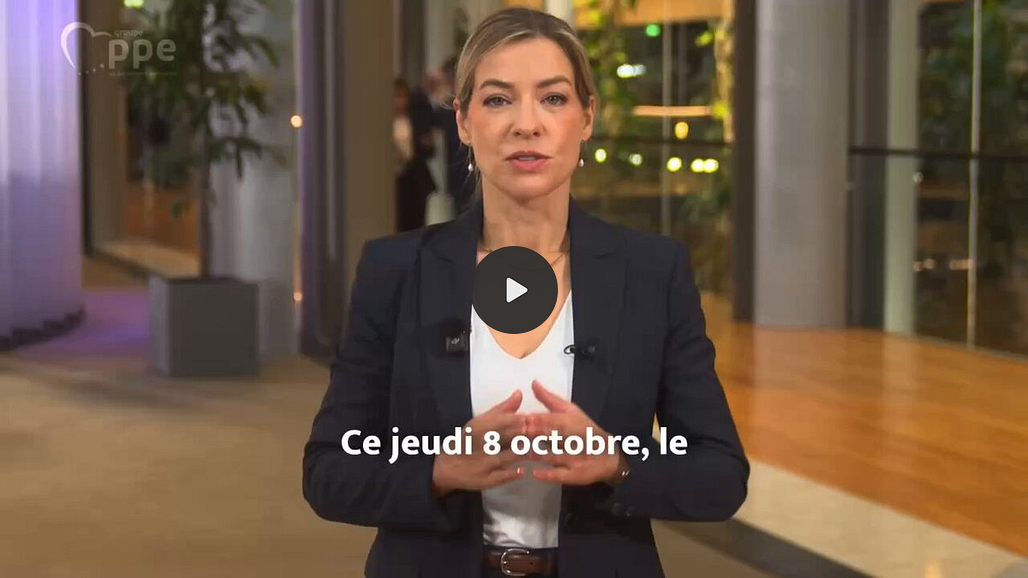
The resolution states that Europe must remain free, open and principled, but must “no longer fund, consult or legitimise networks that use its language, procedures and funding to weaken its values from within”. It calls for a methodology to identify such infiltration, including the blurring of lines between religion and politics, institutional hypocrisy, opaque funding, recurring partnerships, and linked networks re-established under a new guise. Anti-discrimination policies should not be used to shield Islam from criticism or legitimise Islamist networks. MEPs also view face-covering in public spaces as dangerous and support national bans on garments such as the niqab and burqa.
EU agencies must exercise much greater scrutiny over organisations they cooperate with or fund. Greater attention should be paid to infiltration risks, including organisations that have long received European taxpayers’ money, such as the Forum of European Muslim Youth and Student Organisations (FEMYSO) and structures linked to the Muslim Brotherhood.
Parliament also calls on the Commission to provide an overview of funding allocated to individuals or entities suspected of links to the Muslim Brotherhood or political Islam. The Council should assess “whether entities or individuals linked to the Muslim Brotherhood should be added to the EU list of terrorist organisations, looking beyond formal structures to associated entities, front organisations, financial relays, youth networks and individuals in leadership or coordination roles”.
The European Network Against Racism (ENAR) described the decision as “a political witch-hunt targeting racialised people – particularly Muslim, migrant and refugee communities”. It called the resolution a stain on the Parliament’s reputation “in the tradition of discredited far-right conspiracy theories”. ENAR itself has recently lost EU structural funding and is one of the organisations named in connection with the resolution’s concerns about Islamist networks.
The Forum of European Muslim Youth and Student Organisations (FEMYSO), mentioned in the resolution, is an anti-Islamophobia group operating across Europe that now faces the threat of losing EU funding. According to FEMYSO, they have been constantly “targeted and demonised”, and young Muslims are allegedly being forced to choose between their identity and their right to belong. In reality, no one is being forced to make such a choice. Reports by the German criminal police and surveys of young Muslims in France show that younger generations support Islamism – or radical Islam – more strongly than older ones. The data from Germany and France therefore do not support claims of secularisation among young Muslims; rather, they indicate intensifying religious activity, hardening attitudes towards gender equality, and growing support for radical currents within political Islam. This points to the rising influence of organisations such as the Muslim Brotherhood on the younger generation and justifies Parliament’s resolution.
Measures against Islamist infiltration? A bit late given that we have already been invaded by these people....at the request of the same European 'elites'.