


Over the past few days, the following topics attracted our attention:
EU Court: Private Jet Manufacturing Can Be Green Investment
Australia Doubles Fines for Social Media Age Ban Failures
German State University Establishes Faculty of Islamic Theology
EU Court: Private Jet Manufacturing Can Be Green Investment
The General Court of the European Union annulled the European Commission’s decision to exclude private and business aircraft manufacturing from the list of economic activities considered environmentally sustainable. In doing so, it upheld the appeal filed by French aircraft manufacturer Dassault Aviation. The court found that the Commission had based its decision on erroneous grounds regarding carbon dioxide emissions, according to ESG News.
In 2020, the European Commission established a classification system for sustainable activities (the Taxonomy Regulation (EU) 2020/852) to determine whether an economic activity is environmentally sustainable. The goal is to guide investors toward activities that support the EU’s climate and environmental goals. In 2023, the Commission adopted a delegated regulation setting out technical criteria for classifying aircraft manufacturing. The Commission based its assessment on carbon dioxide emissions per passenger-kilometre and compared private and business aviation with other modes of transport. On this basis, it excluded the manufacture of aircraft intended for private or business aviation from activities contributing to climate change mitigation. Dassault Aviation challenged this decision before the General Court, arguing that the exclusion was unlawful.
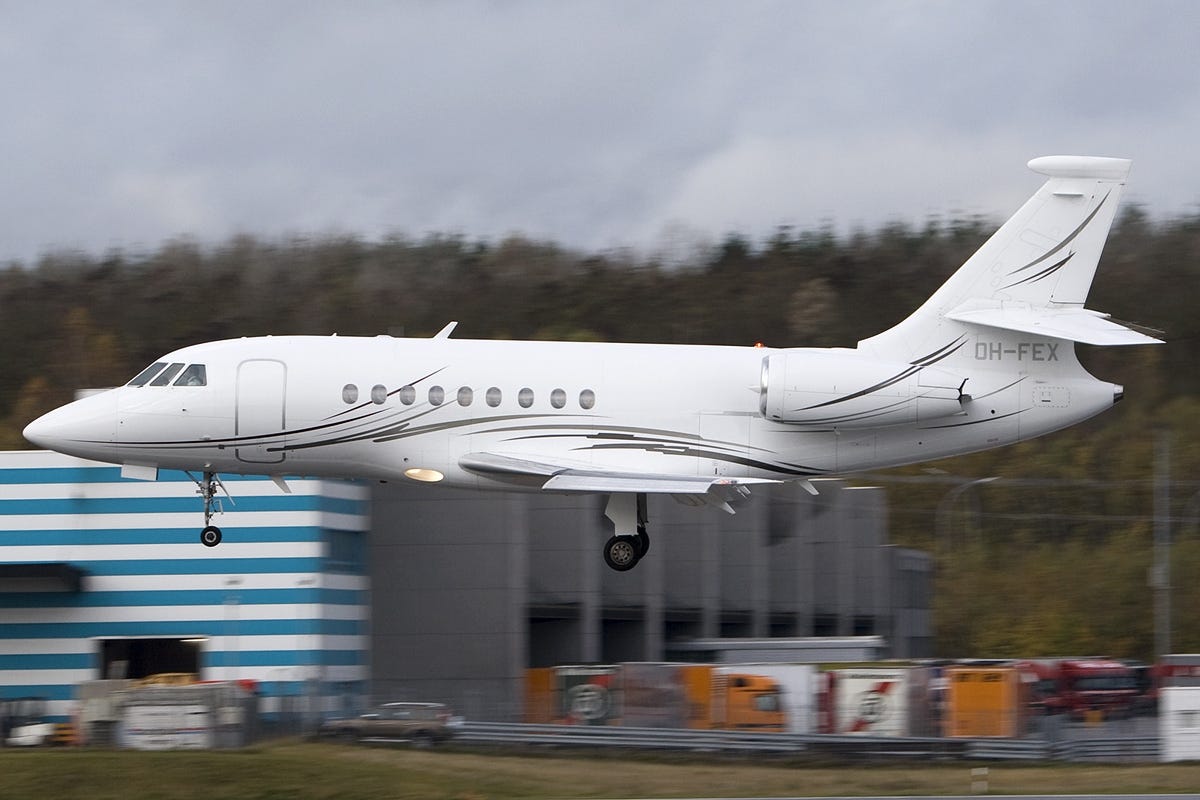
The court examined whether the manufacture of private aircraft should be excluded due to emissions resulting from their use. It concluded that the Commission’s reasoning did not meet the required legal standard. It further held that other modes of transportation cannot always be considered low-carbon alternatives to private aviation, given the specific characteristics of private aircraft such as flexibility, speed, and connectivity. In the court’s view, the Commission also failed to take into account other relevant factors, particularly the potential use of sustainable aviation fuel.
However, the ruling does not declare private aircraft inherently environmentally friendly. But it limits the Commission’s ability to exclude aircraft manufacturing based on a broad comparison of operational emissions. The decision also requires EU agencies to better justify how they treat high-emission sectors where low-carbon technology is still emerging.
The Commission has two months to appeal the decision to the Court of Justice of the European Union. If it does not appeal, it will likely need to revise the relevant taxonomy criteria. In any case, the ruling may influence investor decisions, fund strategies, lending, and companies’ sustainability claims. The EU Taxonomy remains one of the world’s most influential tools for sustainable finance and is widely used by investors, banks, and companies.
Australia Doubles Fines for Social Media Age Ban Failures
The Australian government is strengthening its social media age rules with new legislation. It will grant the eSafety Commissioner greater data collection powers and double fines for non-compliant companies. Although experience so far shows that the social media ban for young people has had limited success, authorities say they will not back down, reports Biometric Update.
Australia was the first countrie to introduce a social media ban for under-16s. However, it has not been fully effective because many platforms are not rigorously enforcing age verification, and around 75-85% of young users continue to bypass the restrictions. But instead of acknowledging the failure, the government is pushing for even stricter rules, touting the number of closed accounts and claiming that the world has followed Australia’s example.
In a press release, Prime Minister Anthony Albanese stated: “Australian parents have led this global movement, and we support them in keeping our kids safe. Social media companies have a social responsibility, and they must uphold their legal responsibility in Australia to keep those under 16 off social media.” He expressed satisfaction that, since the ban took effect on 10 December last year, more than 5 million accounts of under-16 users have been deactivated or restricted. Albanese added: “I’m heartened by the shift in conversation and the global momentum we’ve seen since introducing the social media minimum age, but it’s clear that big tech isn’t doing enough to comply with the law - there are still too many children on social media.” The government therefore plans to strengthen the eSafety Commissioner’s data collection powers and double the maximum penalty for breaches from 49.5 million Australian dollars (about 30 million euros) to 99 million Australian dollars (approximately 60 million euros).
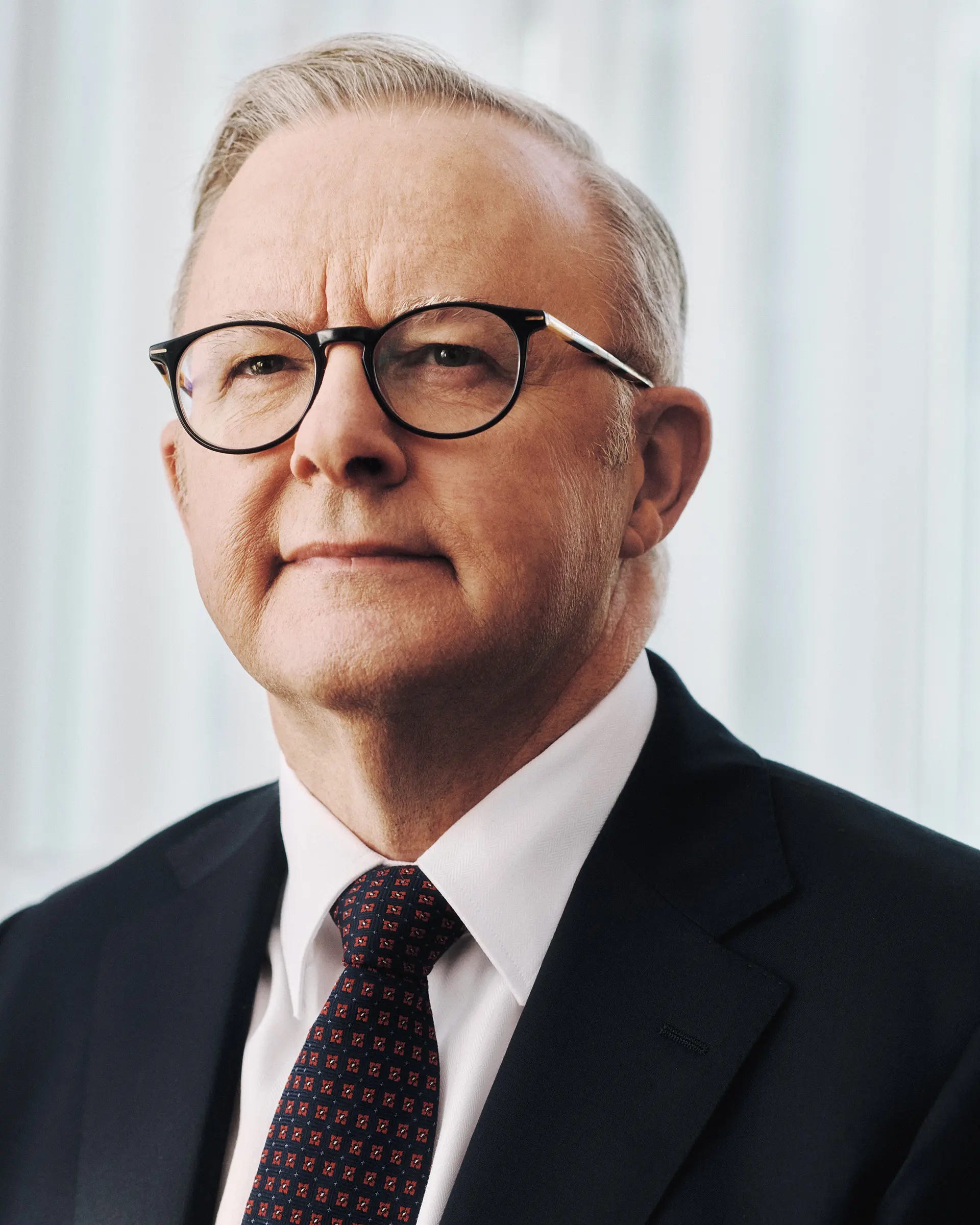
Under the new plan, the eSafety Commissioner will be able to “compel social media companies to provide evidence of what they have done to prevent under-16s from creating an account.” The Commissioner may also request information from third parties, such as age verification providers or app stores. The government is also doubling the fines for failing to provide the required information.
Communications Minister Anika Wells criticised platforms for doing the bare minimum. “Social media platforms are some of the richest and most powerful companies in the world, and we’re serious about holding them to account,” she said. “These tough new penalties and powers show we will not back down. Instead, we are doubling down on our efforts to hold big tech to account.”
The five platforms under investigation - Meta’s Instagram and Facebook, Google’s YouTube, Snapchat, and TikTok - are being pushed to adopt more aggressive age verification. Critics argue this will lead to increased facial scanning and linking of accounts to real identities. However, none of this fully prevents young people from using someone else’s account, lying about their age, or submitting selfies with drawn moustaches or generated by AI that the platforms still approve. Critics therefore contend that the system has failed at its stated goal while succeeding at something it was never supposed to do: the large-scale collection of biometric and personal data.
German State University Establishes Faculty of Islamic Theology
The University of Münster in Germany has become the first in Europe to establish a Faculty of Islamic Theology, which will begin operations this summer/fall.
The department’s mission is to promote “an open and enlightened understanding
of Islam,” reports Deutsche Welle.
Mouhanad Khorchide, who has served as director of the Center for Islamic Theology at the University of Münster, will serve as the founding dean of the newly established Faculty of Islamic Theology. According to Khorchide, the faculty’s status is a major achievement, and he believes it should be utilized to the fullest. The dean states that the faculty’s guiding principle is to affirm the compatibility of religion and democracy and to promote an academic and contemporary interpretation of the Quran. The scholar hopes that the work of the Faculty will thus have an impact on all of Europe and the Muslim community.
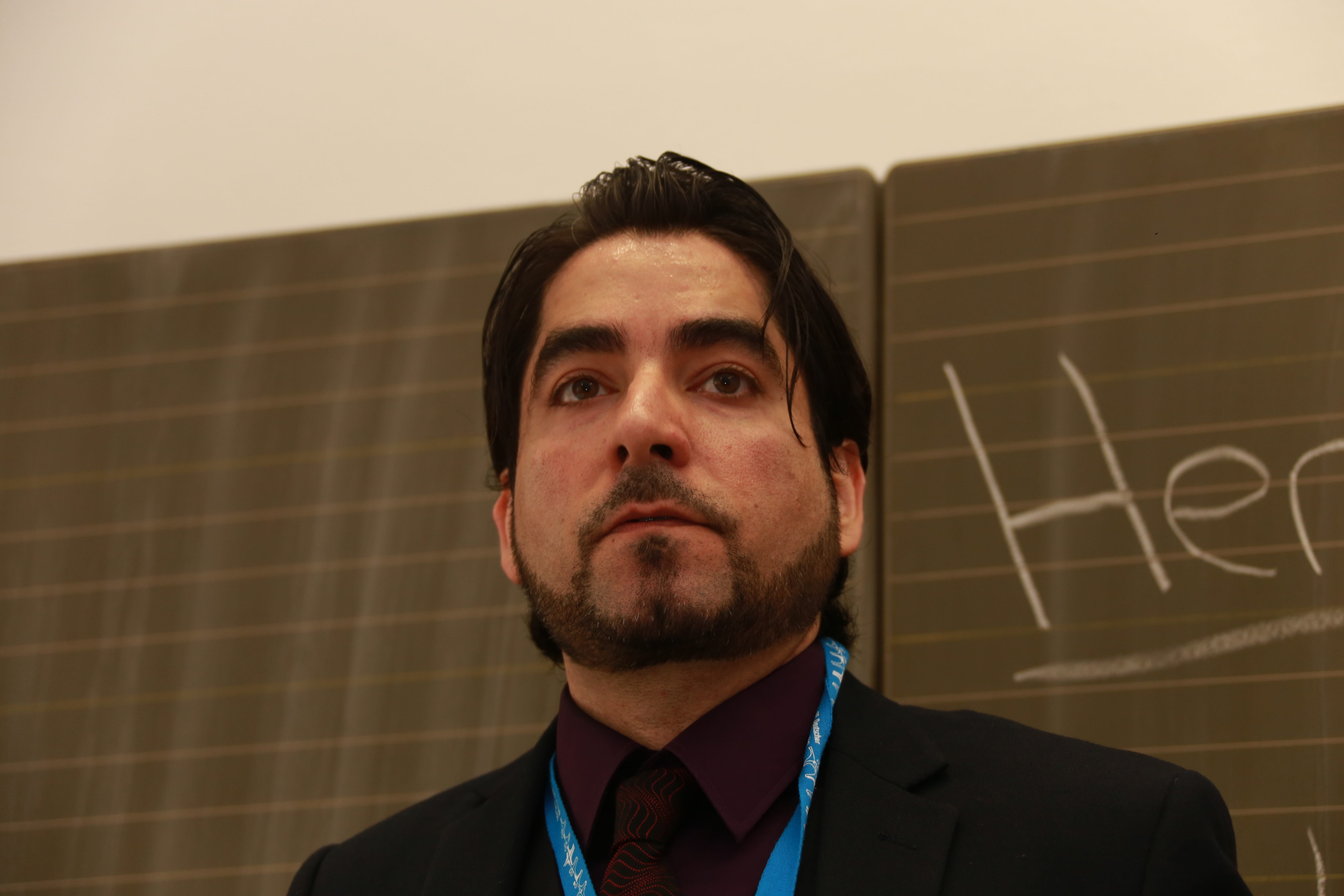
Although the Center for Islamic Theology has been operating since 2011, it has been dependent on another faculty due to its lack of independent faculty status. Now this situation is changing, and as a full faculty, Islamic Theology is gaining a new position and greater opportunities at the university. It will be possible to offer courses and degrees in Islamic Theology, nurture a new generation of scholars, and apply for research funding independently.
It is worth noting that in the early years of the Center for Islamic Theology, only 3 people worked there and there were just 15 students. Now, however, the center employs 8 professors and more than 50 staff members, and the dean expects the number of students to exceed 500 in the coming years (current enrollment is around 450). In any case, the professor predicts enormous demand for the faculty, which is certainly influenced by the fact that Islam is taught in many public schools in Germany. For example, in North Rhine-Westphalia, Germany’s most populous state, there are currently only around 330 Islamic studies teachers on the job, but up to 3,000 teachers are needed.
In addition, Dean Khorchide plans to launch a master’s program in Islam and social work in 2027, which, according to the professor, is urgently needed, particularly in youth work, hospitals, and elder care.
Germany is as dead as a Holocaust victim.
What if they further incentivise the kids to leave? Will they not someday be more concerned about population under-qualification? For whatever ?