


Over the past few days, the following topics attracted our attention:
IEA Recommends Vehicle Restrictions Amid Fuel Crisis
Slovenia Introduces Fuel Rationing – First in the EU
Meteorologists Warn: Super-El Niño Is Coming
IEA Recommends Vehicle Restrictions Amid Fuel Crisis
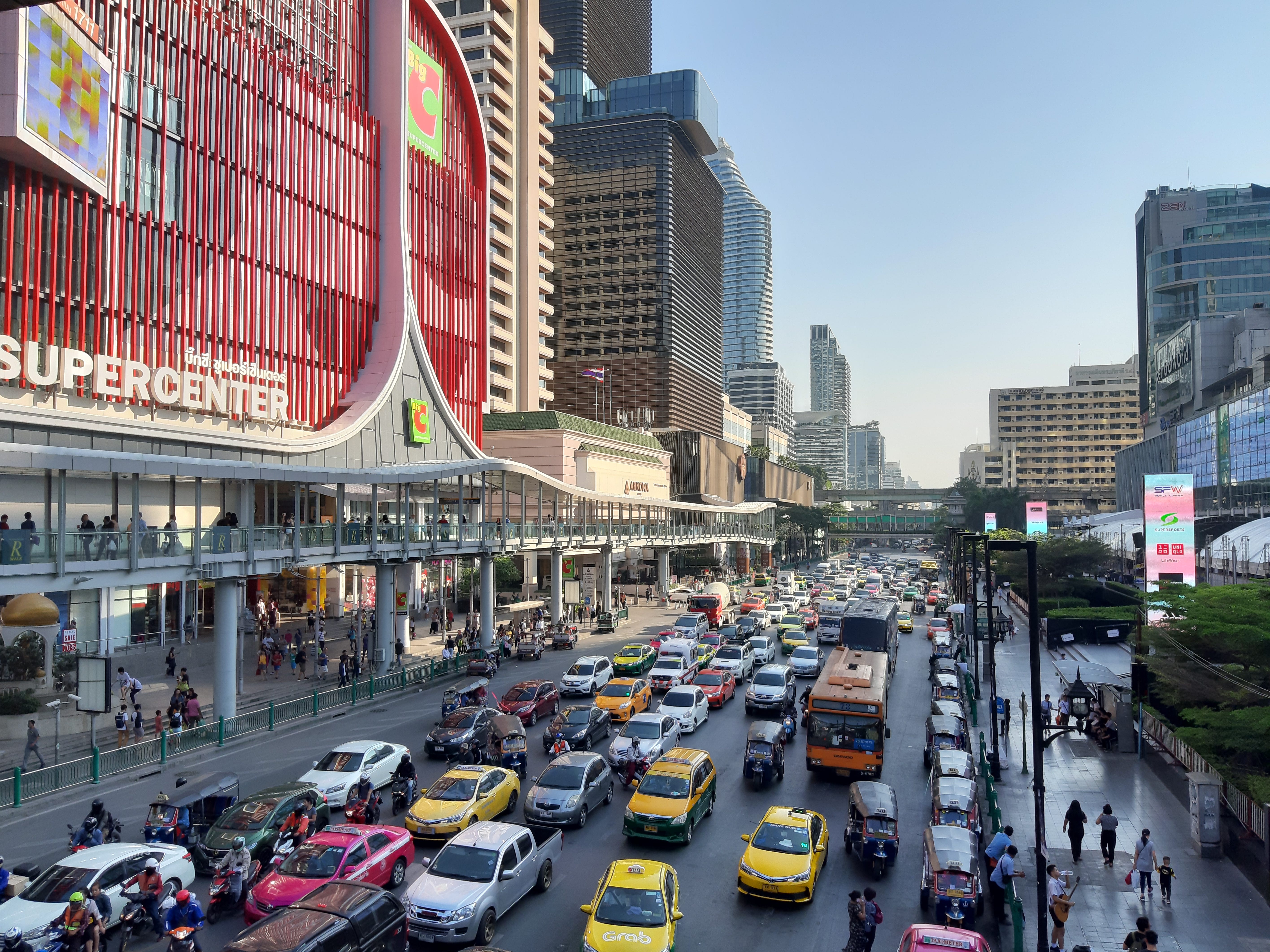
The International Energy Agency (IEA) has recommended emergency measures similar to COVID-19 restrictions in order to address the fuel crisis triggered by the conflict that has erupted in the Middle East and the closure of supply routes through the Strait of Hormuz. For example, the agency recommends imposing restrictions on passenger car traffic in major cities, limiting the use of private vehicles in general, moving offices back into homes, and prioritizing electric stoves over gas stoves.
According to the IEA, one key emergency measure is to curb demand, and all countries worldwide should be prepared to implement such steps. Governments should lead by example and introduce obligations to rapidly reduce oil demand and costs.
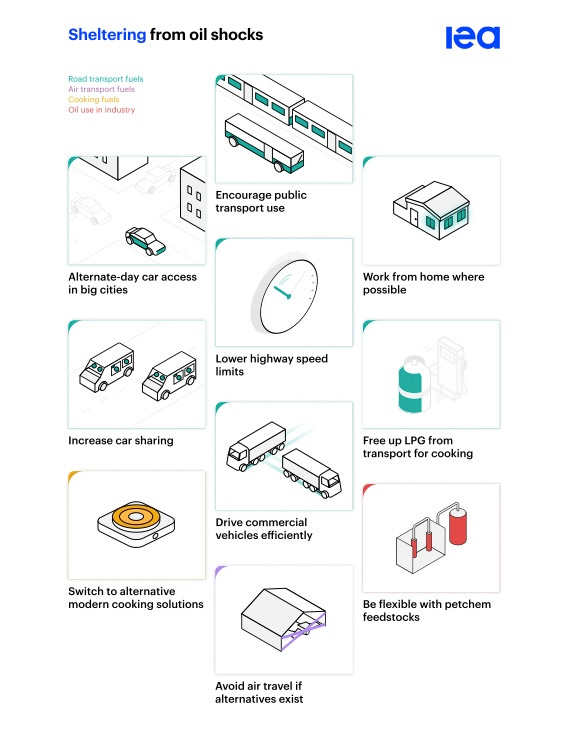
The agency also describes a system of zones in major cities where private vehicles would be allowed to enter only on certain days, based on license plate numbers. A similar measure is already being considered by South Korea, where citizens would have to refrain from using their vehicles one day every five or ten days. Historically, this approach was used during the first oil crisis in Italy, with car-free Sundays and an odd/even license plate system.
As another measure, the IEA notes that lowering speed limits for cars, buses, and trucks on highways by 10 km/h could reduce fuel consumption. Therefore, governments could lower speed limits and encourage drivers to voluntarily drive more slowly. This measure has been applied in the past, for example by France during the 1973 oil crisis and the 2022 energy crisis. Due to the current crisis, Pakistan has already lowered its speed limits.
In addition, the agency points out that shifting from private vehicles to public transportation can reduce fuel demand, but walking or cycling would help even more. The agency also addresses car-sharing and fuel-efficient driving habits, such as smoother acceleration, proper tire pressure, and optimal air conditioning settings. It recommends designating separate lanes and parking spaces for shared vehicles, supporting ride-sharing apps, and encouraging drivers to change their habits.
The IEA also states that working from home should be prioritized. According to the agency’s data, fuel consumption from private trips to work accounts for approximately 5–30% of total vehicle fuel use, depending on the region. Three remote work days in a five-day workweek could reduce fuel consumption by about 2–6% per country and up to 20% per person. The agency therefore recommends that governments encourage companies to allow home offices, require public officials to work from home, and even close public sector buildings entirely on certain days.
Finally, the IEA recommends promoting electric cars and other more efficient vehicles, such as hybrids and two-wheelers. Governments should accelerate the development of charging infrastructure, establish low-emission zones, and support the production of sustainable fuels. The agency also suggests replacing oil-fired heating with heat pumps, implementing energy management systems, and increasing the recycling and reuse of plastic waste. Whether intentionally or not, these recommendations strongly resemble the measures that have been promoted for years in the name of the climate transition, as well as some of the draconian measures introduced during the COVID-19 pandemic.
Slovenia Introduces Fuel Rationing – First in the EU
Slovenia has become the first EU member state to introduce fuel quotas, limiting private vehicles to a maximum of 50 liters per day. The quota for businesses and farmers is higher — up to 200 liters per day, according to the BBC.
This national measure aims to address the ongoing fuel crisis, which was triggered by the recent conflict in the Middle East and the near closure of the Strait of Hormuz shipping route. Slovenia’s fuel rationing is also partly a response to so-called “fuel tourism,” where drivers from neighboring countries, especially Austria, have been taking advantage of the country’s lower, state-regulated prices. Until March 24, in Slovenia, a litre of Euro-super 95 petrol cost about 1.47 euros, while diesel cost about 1.53 euros. Since then, the state-regulated prices have increased slightly and are now €1.58 and €1.69 per litre respectively. In neighboring Austria, the same fuels already cost around 1.88 euros and more than 2.00 euros per liter respectively.
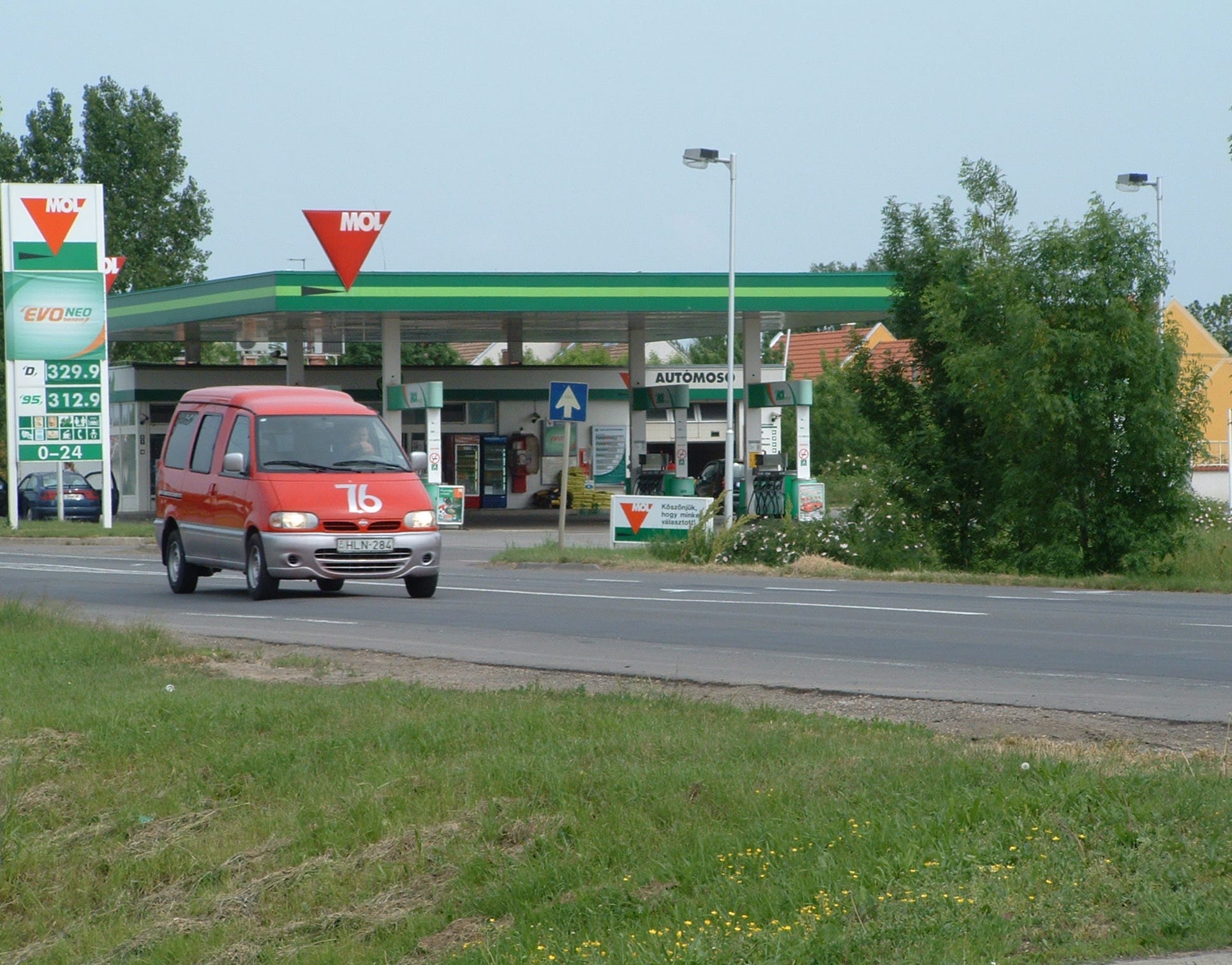
Slovenian Prime Minister Robert Golob assured the public just this past weekend: “Let me reassure you that there is enough fuel in Slovenia, the warehouses are full and there will be no fuel shortages.” Despite this reassurance, the government has implemented the limits. Gas stations are required to enforce the state-imposed restrictions, and staff must ensure that customers do not exceed the permitted amount. The government is also encouraging retailers to apply stricter limits on vehicles with foreign license plates. Some chains have already done so voluntarily – for example, MOL currently allows only 30 liters per day.
Meteorologists Warn: Super-El Niño Is Coming
According to data from the European Centre for Medium-Range Weather Forecasts (ECMWF) and the U.S. National Oceanic and Atmospheric Administration (NOAA), there is a high probability of a strong or even super-strong El Niño event this year, particularly in the second half of the year, writes EUobserver.
According to ECMWF models, conditions will begin to change as early as in the spring, intensifying significantly in the summer. The center forecasts a 20–25% probability of a super-El Niño; an 80% probability of a strong El Niño; and a 98% probability of a moderate one.

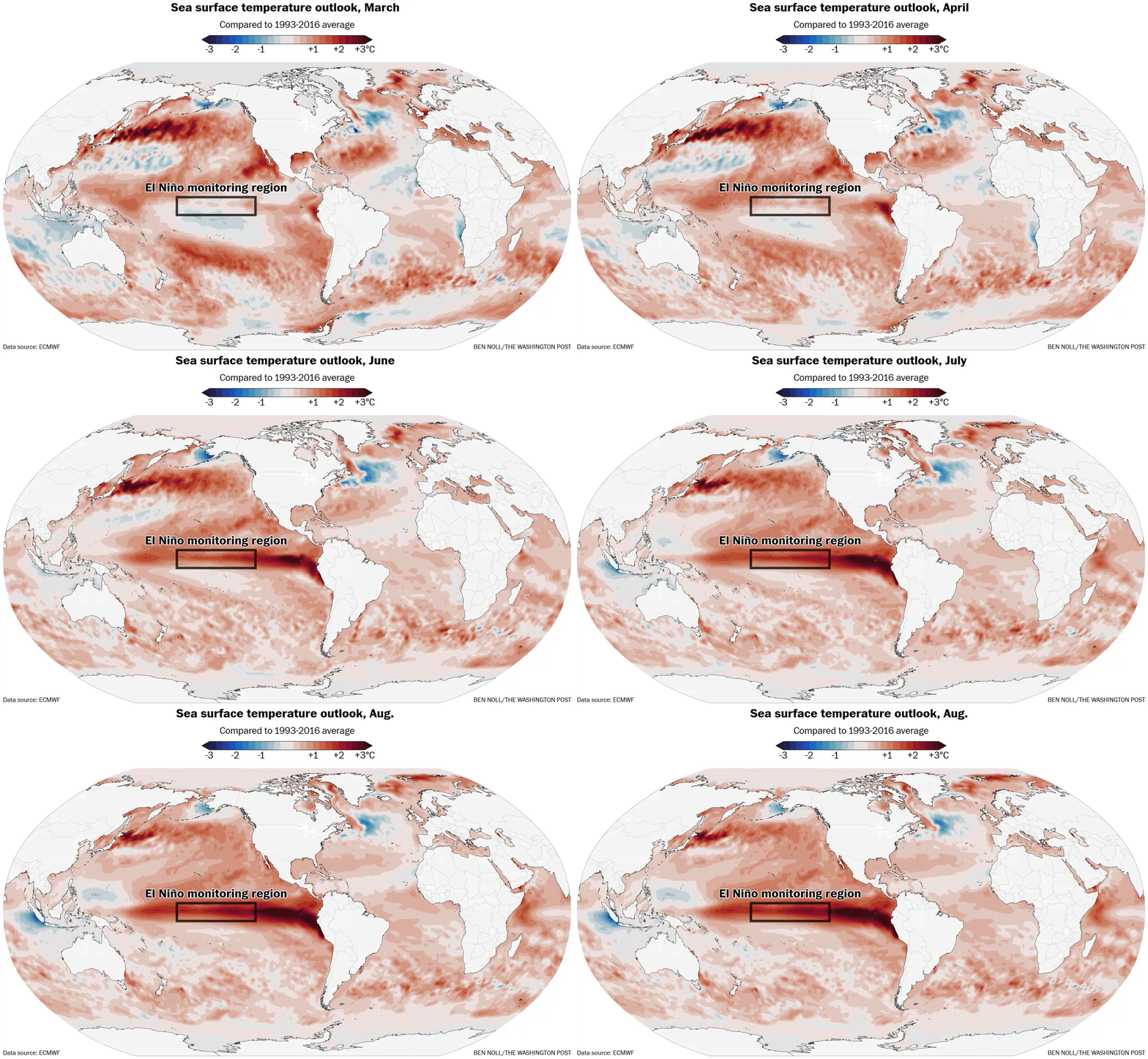
According to the U.S. National Oceanic and Atmospheric Administration (NOAA), there is a one-in-three chance of a very strong El Niño developing this year, and it will likely form between June and August, lasting at least until the end of the year. NOAA meteorologist Michelle L’Heureux emphasizes that we are currently in the so-called “spring forecastability barrier,” when forecasts are at their least reliable, and points out that models have been wrong in the past. For example, a strong El Niño was also predicted in 2014, but it did not materialize.
However, climatologist Daniel Swain notes on X: “All signs are increasingly pointing to a significant, if not strong to very strong, El Niño event.” According to Swain’s assessment, based on current data, “this is increasingly likely to become a major regional-to-global climate driver in 2026-2027”.


El Niño is a natural phenomenon during which the circulation between the ocean and the atmosphere changes in the tropical Pacific region. Every few years, the warm El Niño phase alternates with the cold La Niña phase. During a typical El Niño, Pacific waters warm by about one-tenth of a degree. During an extremely strong El Niño, it warms by more than two degrees above the long-term average. This is enough to alter the atmospheric circulation and the distribution of precipitation across the entire planet. Heat is released from the water, spreading across the tropical regions of the Pacific Ocean and then across the entire planet. An event of this magnitude occurs approximately once every 10–15 years.
The most intense events almost always result in a year with record-breaking heat. Tropical regions face higher risks of drought and extreme heat – for example, in India, Australia, or parts of Africa. On the other side of the globe, however, such as in Peru or Ecuador, there are heavy rains and floods. The hurricane season is also affected, being typically weaker in the Atlantic, but more active in the Pacific region. In Europe, particularly Central Europe, the impacts are mostly indirect, primarily involving extreme heat waves, drier summers, more variable weather, and a higher risk of drought.
Such changes in ocean and atmospheric currents can both stimulate and depress the global economy. For example, a strong El Niño can lead to higher food prices, which are already under significant pressure from the ongoing conflict in the Middle East.
https://deflock.me/
I would like to see a climate “scientist” to analyse what effect the lockdowns had on climate because my eyes show absolutely zero change.