


Over the past week, the following topics attracted our attention:
Ireland to Push Social Media ID Checks in EU Presidency
Europe Eyes Social Media Bans for Kids
UK Builds Social Housing for Asylum Seekers
Iranians Chant ‘Death to Khamenei’ in Nationwide Protests over Economic Crisis
South Korea’s Network Law Sparks Free Speech Concerns
Ireland to Push Social Media ID Checks in EU Presidency
According to Simon Harris, Ireland’s Tánaiste and Minister for Finance, the government intends to use its EU Council presidency in the second half of next year to push for new social media rules. The plan is to prevent anonymous “keyboard warriors” from spreading hatred and misinformation, said the minister, by introducing identity verification on social media. There are also plans to advance proposals for a social media ban for children and young people, modelled on Australia’s approach, according to Extra.ie.
Harris is convinced that new rules are needed to combat online abuse and disinformation, which the minister believes pose a real and present danger to democracy. The minister announced the plan just a few days after a Dublin woman, Sandra Barry, was sentenced to six months in prison for calling the minister a “murderer” in messages sent via social media and saying, “I hope someone does something to your family.”
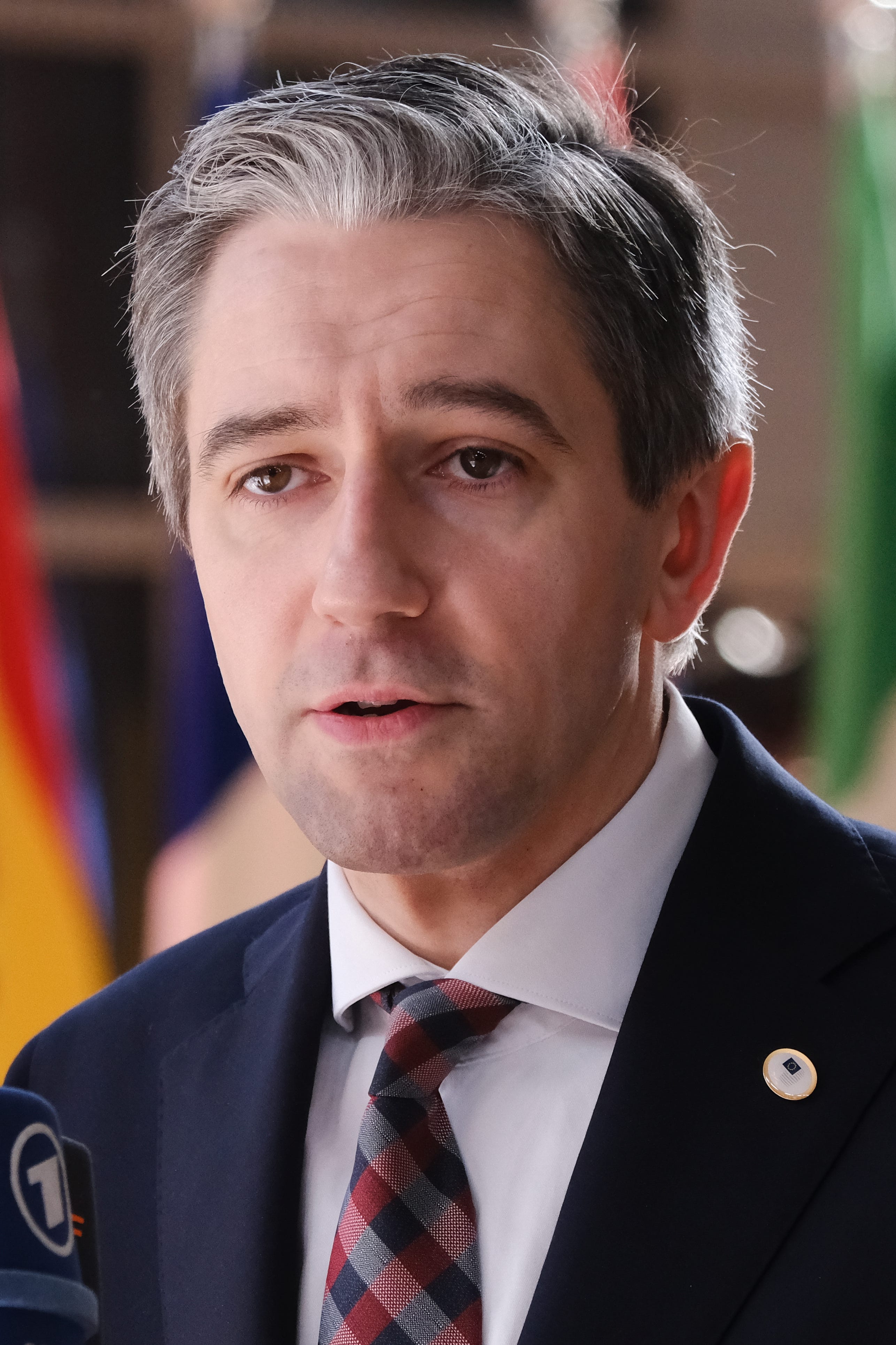
Regarding age verification on social media, Harris explained that it is important to him that a digital age of consent is established. According to the minister, age restrictions are set for many things, such as not being able to buy beer, drive a car, or place bets until a certain age. Social media account controls and age restrictions require changes to the EU Digital Services Act (DSA).
Critics believe that these steps are likely to cause confrontation with social media giants, many of whose European headquarters are located in Ireland. Critics also argue that any requirement to prove one’s identity online could silence those who rely on anonymity, such as whistleblowers, activists, and others facing political pressure. However, once digital ID systems are in place, they are difficult to reverse and can easily be used to restrict speech.
Criticism and countermeasures from the administration of US President Donald Trump can also be expected. One example is the US visa ban imposed on several well-known European figures who have attempted to regulate US social media companies. Nevertheless, Tánaiste Simon Harris is convinced that restrictions on anonymous accounts and bots are supported by the leaders of many EU member states, such as French President Emmanuel Macron.
Europe Eyes Social Media Bans for Kids
France, Spain, Italy, Greece, and Germany are considering imposing restrictions on children’s use of social media. The model for this is, of course, Australia, where a ban on social media for children under the age of 16 came into full force in December, according to Euronews.
Since December 10, children under the age of 16 in Australia can no longer create or maintain social media accounts on platforms such as Facebook, X, Threads, Snapchat, Instagram, TikTok, Twitch, Reddit, and Google’s YouTube. If a platform is found to be in violation of the law, it can be subject to a severe penalty of up to 50 million Australian dollars (approximately 28 million euros). Both the European Union and many individual European countries consider Australia’s example to be a great success and are eyeing to follow suit in their own countries.
In November, the Danish government announced that all political parties had agreed to impose access restrictions on some social media platforms for children under the age of 15. As elsewhere, the proclaimed aim is to “protect children and young people in the digital world” from platforms where they may encounter harmful content or features. Under the Danish plan, parents would still have the right to allow their children to use social media, but only for those over the age of 13. Denmark has a digital ID system and plans to develop an age verification application, but no details have yet been released on how a possible ban would be enforced. In any case, the state has allocated 160 million kroner (21.4 million euros) to initiatives for children’s online safety.
France already applies restrictions to social media, and children under the age of 15 can only open an account with parental consent. Parents can also request that their child’s account be closed. Nevertheless, French President Emmanuel Macron has repeatedly expressed the need to regulate social media more strictly and emphasized the need to restrict young people’s access to social media. “Platforms can verify age, so do it,” Macron wrote on X in June 2025.

Last September, a French parliamentary committee also published a report recommending banning social media for children under 15 and imposing a digital curfew for those under 18. Now, Digital Minister Anne Le Hénanff has announced that a bill restricting social media use for those under 15 is planned to be introduced in the first months of 2026.
In addition to France, Spanish politicians have also been eager to promote social media restrictions. According to a recent YouGov poll, as many as 79% of Spanish parents agree that Australian-style age restrictions should be imposed on social media. At the same time, one in three respondents felt that such a restriction would be difficult to implement in Spain.
In any case, Spanish lawmakers have now finalized a draft bill that would prohibit those under the age of 16 from accessing social media without parental consent. In addition to social media, the restriction would also apply to forums, communication platforms and virtual spaces featuring generative artificial intelligence (GenAI). For other services, the minimum age would be 14. The aim is reportedly to avoid the risks associated with premature exposure to inappropriate content, cyberbullying, or digital exploitation of personal data, although these risks are not specified in the draft. In addition, the Spanish law would give parents the right to control which apps their children can download.
Last spring, the Italian parliament introduced a bill that could impose social media restrictions on children under the age of 15. The Italian law also includes provisions prohibiting the activities of “kidfluencers” under the age of 15 on social media platforms and requiring platforms to verify the age of users using “mini portafoglio nazionale.” The latter basically means a digital ID card, which is linked to the EU’s planned age verification system. In any case, Italian Education Minister Giuseppe Valditara is convinced that the country should follow the Australian model. Since November last year, the country has been applying age verification on websites intended for adults.
In September, Greek Prime Minister Kyriakos Mitsotakis announced at the UN General Assembly that the country is considering a social media ban similar to the Australian model. “We are conducting the largest uncontrolled experiment ever on the minds of our children. We do not know what the consequences will be, but we are almost certain that they will not be positive,” said Mitsotakis. So far, Greece has banned smartphones in classrooms and created a website with instructions for parents on how to enable parental controls on iOS and Android mobile phones. Specifically, Greece uses Kids Wallet as a parental control tool, which can be used to restrict or block access to apps and web services and which is reportedly planned to be used to verify the age of young people.
According to the German parliament, the country does not currently apply social media restrictions to children under the age of 16, but the government has asked committees to investigate whether a ban could be introduced. They are also looking into how social media affects German teenagers more broadly. The commission’s final report is due this fall. According to preliminary information, the state is considering a ban for all minors and does not plan to make exceptions based on parental consent. A minimum age limit for social media has also been requested in a petition with 34,000 signatures.
UK Builds Social Housing for Asylum Seekers
Until now, the United Kingdom has housed many asylum seekers in hotels and privately owned apartments. Now, the country has launched a pilot project to finance the construction of new buildings or the renovation of abandoned ones to create space for asylum seekers, as reported by The Daily Mail.
According to official data, there are 36,000 asylum seekers staying in hotels and around 71,000 in privately rented apartments. A report by the Home Office states that the country has wasted billions of pounds on accommodation in the private sector. For example, according to the National Audit Office, the cost of hotel and private housing rental contracts with Serco, Clearsprings, and Mears has tripled, rising from £4.5 billion (€5.17 billion) to £15.3 billion (€17.58 billion).
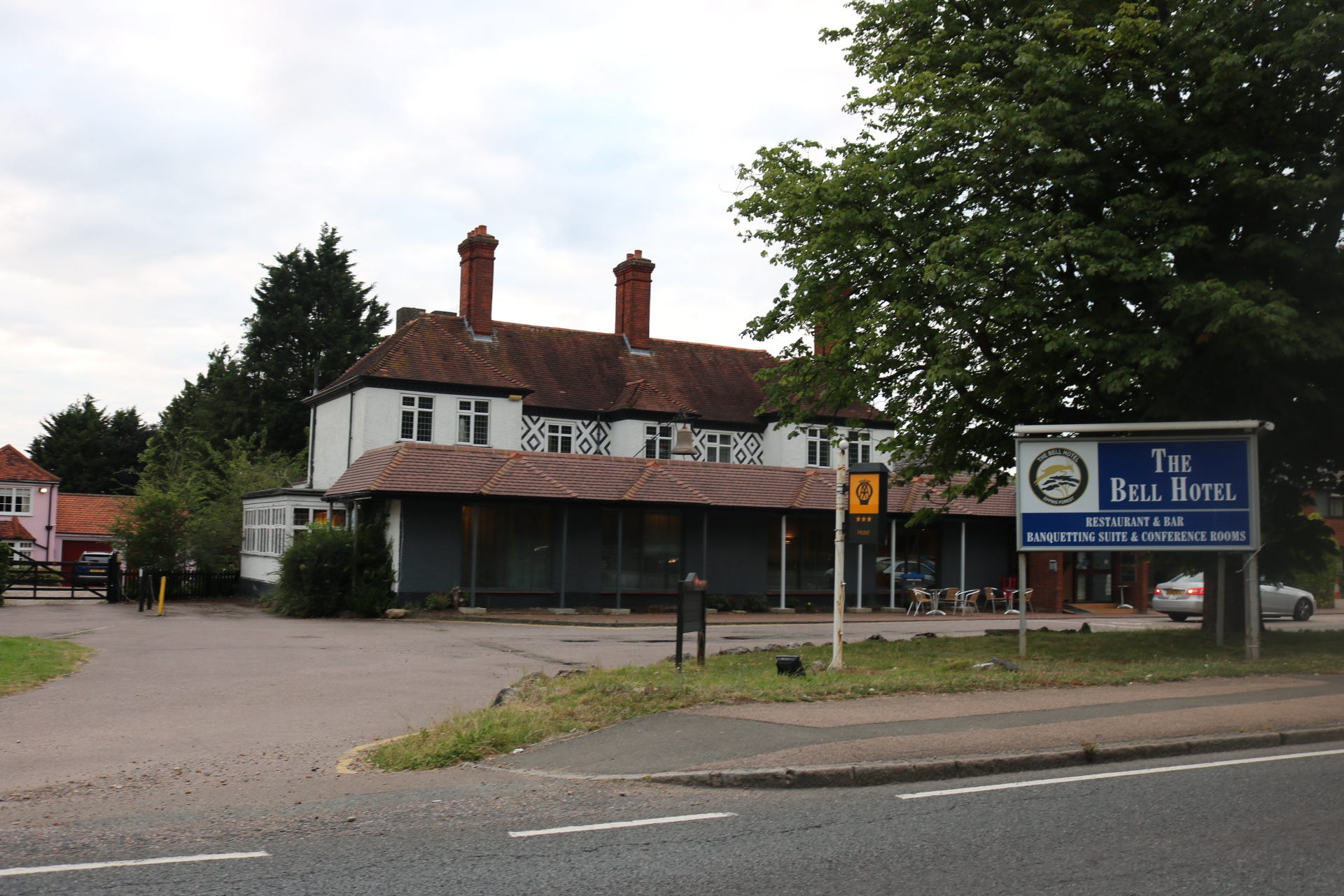
With the current construction plan, the state hopes to save taxpayers’ money and ultimately replace the role of private partners in the system entirely. The government has promised to allocate £100 million (€114.87 million) to the project, which is expected to create around 900 new homes. About 200 local authorities have expressed interest in participating in the project, and five have confirmed their participation in the programme: Brighton and Hove, Hackney, Peterborough, Thanet, and Powys. In addition to construction and renovation, local authorities can also purchase real estate, for example, in new developments where it has been difficult to find buyers. The local authority would lease the purchased property back to the Home Office, and it would eventually be added to the social housing stock.
However, the current plan is expected to meet with considerable public opposition, as many citizens are on the waiting list for social housing. More specifically, around 1.3 million households were waiting for social housing last year. This is 3% more than in 2023 and also the highest number since 2014. However, despite the growing demand, the state has actually reduced the number of social housing units: by as many as 20,560 units in 2023-2024, mainly due to Right to Buy sales and demolition. At the same time, there are reports that in 2025-2026, more than eight times as many social housing units will be sold in England than were built in the previous period.
Iranians Chant ‘Death to Khamenei’ in Nationwide Protests over Economic Crisis
On Sunday, widespread protests broke out in Iran against Islamist rule and the rising cost of living. Demonstrators demanded an end to the rule of Supreme Leader Ali Khamenei and the restoration of the monarchy. There were reports of several deaths in clashes with security forces, although it was not clear whether those killed were protesters or security officials, according to the BBC.

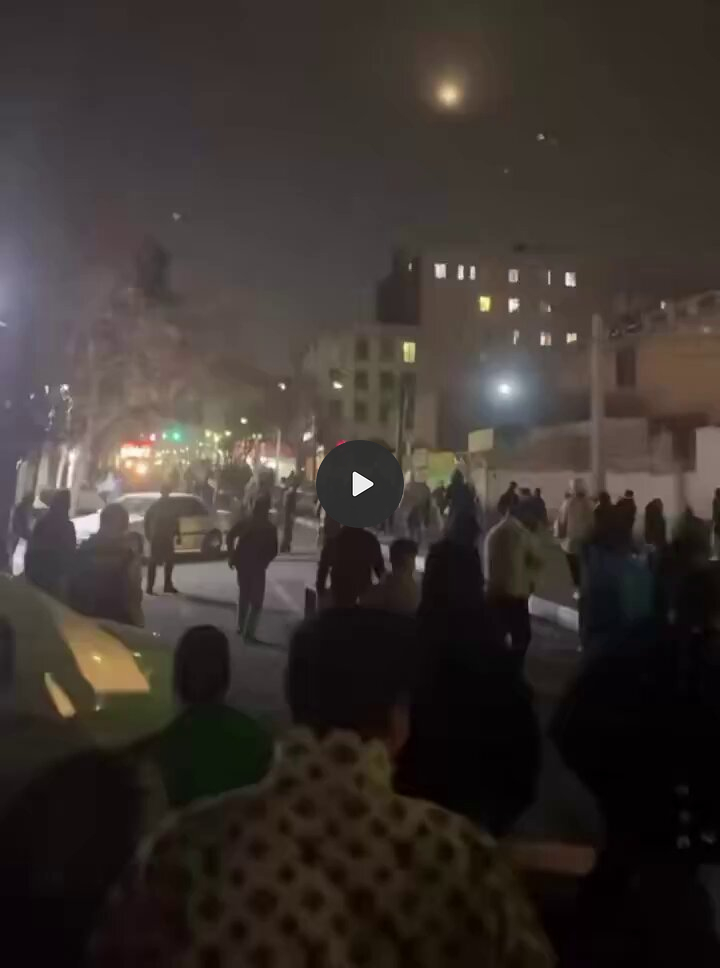
The protests began in Tehran when mobile phone and electronics store owners closed their shops because the rial fell to a record low of 1,420,000 rials to the dollar (appr 1,587,000 Iranian rials to the euro). The Iranian rial has fallen by about 40% since June, causing severe inflation, which reached 42.2% in December. Compared to last year, food prices have risen by 72% and health and medical supplies by 50%.
Following electronics stores, many other stores closed their doors, and by Tuesday, students had joined the protests. The students chanted against the country’s spiritual leaders, including “Woman, life, freedom”, “Students die but do not accept humiliation” and “Be afraid, be afraid, we are all together.”
Security forces rushed to arms against hundreds of protesters, deploying tear gas, live fire and other harsh measures. On Wednesday, the state closed all schools, universities, and government offices across the country, allegedly due to a bank holiday and the need to conserve energy due to cold weather. However, many Iranians saw this as an attempt to curb the protests and suppress the unrest. President Masoud Pezeshkian has said that the government will listen to the “legitimate demands” of the protesters. However, Attorney General Mohammad Movahedi-Azad has warned that any attempt to cause instability will be met with a “decisive response.”
These protests are the most widespread since the 2022 demonstrations that erupted after the death of Mahsa Amini in custody. The morality police had accused the young woman of wearing her veil incorrectly.
South Korea’s Network Law Sparks Free Speech Concerns
The US President Donald Trump administration has strongly criticized South Korea’s recent amendment to its Information and Communications Network Act, which US officials say affects US platform operators and undermines freedom of speech. There is growing concern in Korea that the law, dubbed a “countermeasure against fake news,” could become another point of contention between the two countries, writes The Korea Times.
The amended bill was passed by the National Assembly, led by the Democratic Party of Korea, and approved at a cabinet meeting last month. With the amendment coming into force in July, South Korea is seeking to restrict illegal content, including the spread of manipulated or false information on telecommunications networks, by imposing tougher penalties. Under the law, large platform operators must establish rules against false information and implement measures such as removing content and suspending user accounts. The provisions are modelled on the European Union’s Digital Services Act (DSA), which imposes heavy fines on social media platforms operating in Europe if they fail to control illegal content and false information.
US Assistant Secretary of State for Public Diplomacy Sarah Rogers warned on X that the amendment could harm technological cooperation. “South Korea’s proposed amendment to its Network Act, ostensibly focused on redressing defamatory deepfakes, reaches much further — and endangers tech cooperation,” Rogers wrote, adding that deepfakes are certainly a cause for concern, but it is better to help victims through civil law measures “than give regulators invasive license for viewpoint-based censorship.”

According to Washington, Korea should avoid “imposing unnecessary barriers to digital services” and should not impose digital rules that discriminate against US technology and platform companies such as Meta and Google. In addition, the US has previously expressed dissatisfaction with Korea’s desire to impose network usage fees on American content providers such as Google and Netflix. The same also because Korea wants to regulate online platforms to prevent unfair practices against small merchants and does not want to export accurate map data to foreign companies such as Google.
The US has called these steps “non-tariff barriers,” even though in November the countries agreed to “commit to ensure that US companies are not discriminated against and do not face unnecessary barriers in terms of laws and policies concerning digital services, including network usage fees and online platform regulations.”
It now remains to be seen whether the administration of US President Donald Trump will respond to South Korea’s legislative change in a similar way that it did for Europe, where it imposed a visa ban on officials and activists accused of “organized efforts to coerce American platforms to censor, demonetize and suppress American viewpoints they oppose.”