


Over the past few days, the following topics attracted our attention:
London to Be Covered in Facial Recognition Cameras and Drones
Asbestos Found in Chinese Wind Turbines
Magdeburg Christmas Market Attacker Sentenced to Life
London to Be Covered in Facial Recognition Cameras and Drones
The Metropolitan Police are rolling out real-time facial recognition cameras in the West End and Soho and are planning a citywide drone network to tackle rising crime. Critics argue, however, that the authorities are expanding a surveillance network with enormous potential to violate privacy, reports the BBC.
The Metropolitan Police tested remote-controlled facial recognition cameras for six months in Croydon, South London; these were mounted on street structures. The police say the Croydon trials were highly successful and plan to install facial recognition cameras in central London by the end of the year and elsewhere in the capital next year.
According to Police Commissioner Sir Mark Rowley, modern technology has led to tremendous progress in police work, and about 80% of Londoners support the use of facial recognition. The Commissioner believes that the trials in Croydon were successful, as 173 people were arrested, including a woman who had been sought for more than 20 years, and only one false positive was recorded. In total, however, more than 470,000 people passed by the cameras in Croydon over the course of half a year, and since 2024, police across the country have arrested over 2,000 people using facial recognition cameras. But Rowley is still convinced: “The technology helps officers target wanted criminals and registered sex offenders. Crucially, it supports officers – it doesn’t replace them. Now we’re taking that capability further.”
In addition to facial recognition cameras, the Metropolitan Police have launched a drone network project in which drones respond to emergency calls, monitor the scene before officers arrive, and detect illegal activity. According to the police department, several drone units are already operating in London. Commissioner Rowley has now announced a plan to to expand the drone network throughout London and explained: “Drones are already transforming how we respond to incidents - getting visuals from the scene in minutes, giving officers critical intelligence, and helping us act faster and more safely.”
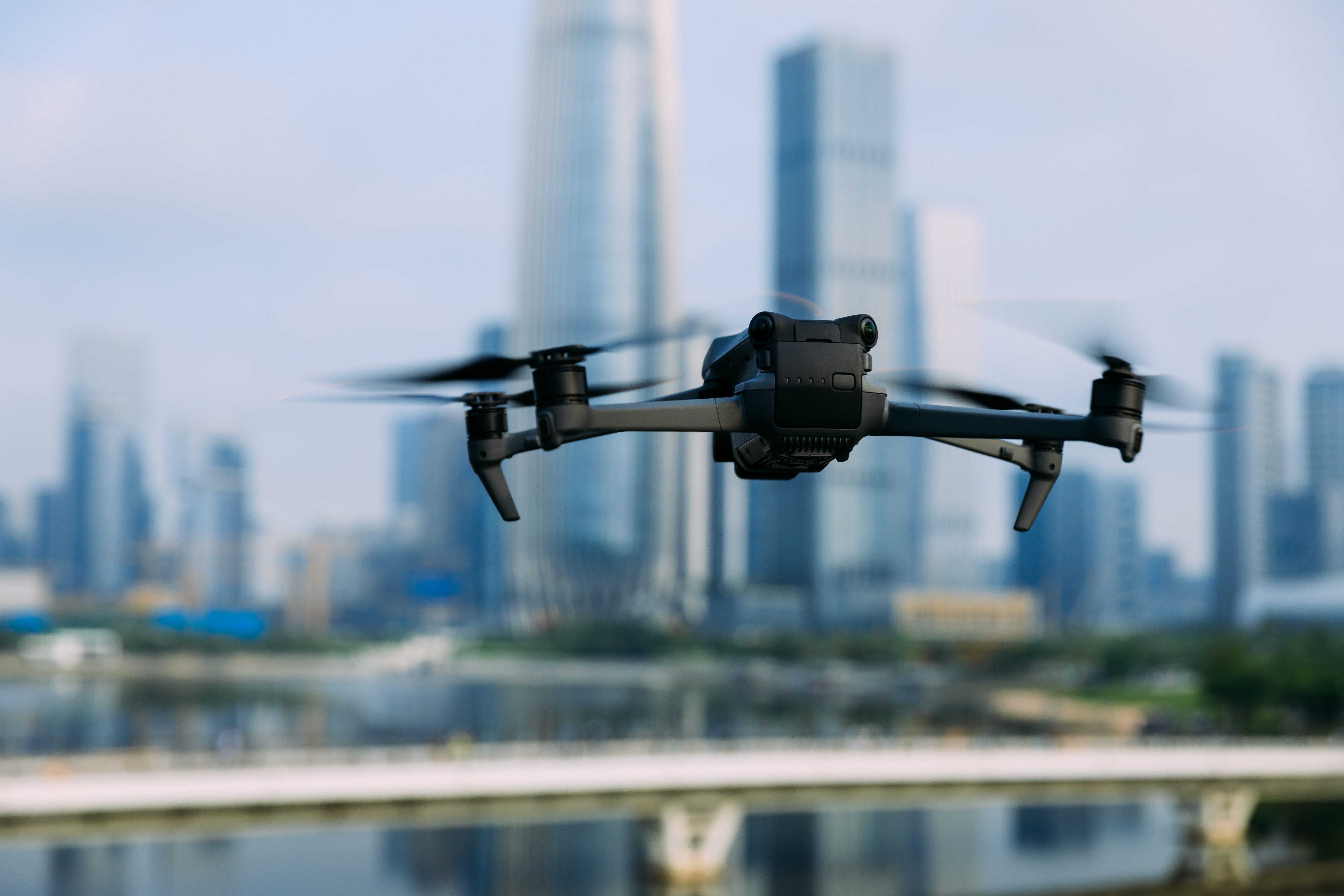
Critics, however, do not share Commissioner Rowley’s view on either facial recognition systems or drones. The human rights organization Liberty believes that facial recognition technology should be abandoned, at least until relevant laws are enacted. Big Brother Watch argues that while drones may have a role to play in emergencies, the police should not use them as constant, ubiquitous surveillance cameras. Big Brother Watch emphasized that the role of drones in police work has so far been rather vague, and authorities have refused to release documents that clearly describe their function. “It is alarming that potentially intrusive surveillance is being rolled out with such little scrutiny,” a spokesperson stressed.
Asbestos Found in Chinese Wind Turbines
The United Kingdom has discovered asbestos in at least 1,000 wind turbines manufactured in China. White asbestos, or chrysotile, was primarily found in the brakes of elevators and lifting equipment. These components, according to reports, were sourced from third-party suppliers in China, as reported by Daily Business Group.
This type of asbestos has been completely banned in the United Kingdom since 1999. It is therefore illegal to buy, sell, or export any materials containing this substance. According to labor unions, the government banned asbestos decades ago because it was killing workers and their families. Yet now the government is effectively paying for the banned substance to be imported from the other side of the globe and then for the hazardous material to be removed.

At the same time, there is no evidence that elevator suppliers or wind farm owners were aware that the wind turbine components contained asbestos. The Energy Institute, a member organization of the wind energy sector, stated that it is aware of the problem. So far, asbestos has been found only in sealed components. Thus, the material is encapsulated; its casing does not break, and under normal conditions, no fibers are released into the air. In any case, the organization’s members have been tasked with working with elevator and turbine manufacturers to identify replacement parts and safe replacement methods.
Magdeburg Christmas Market Attacker Sentenced to Life
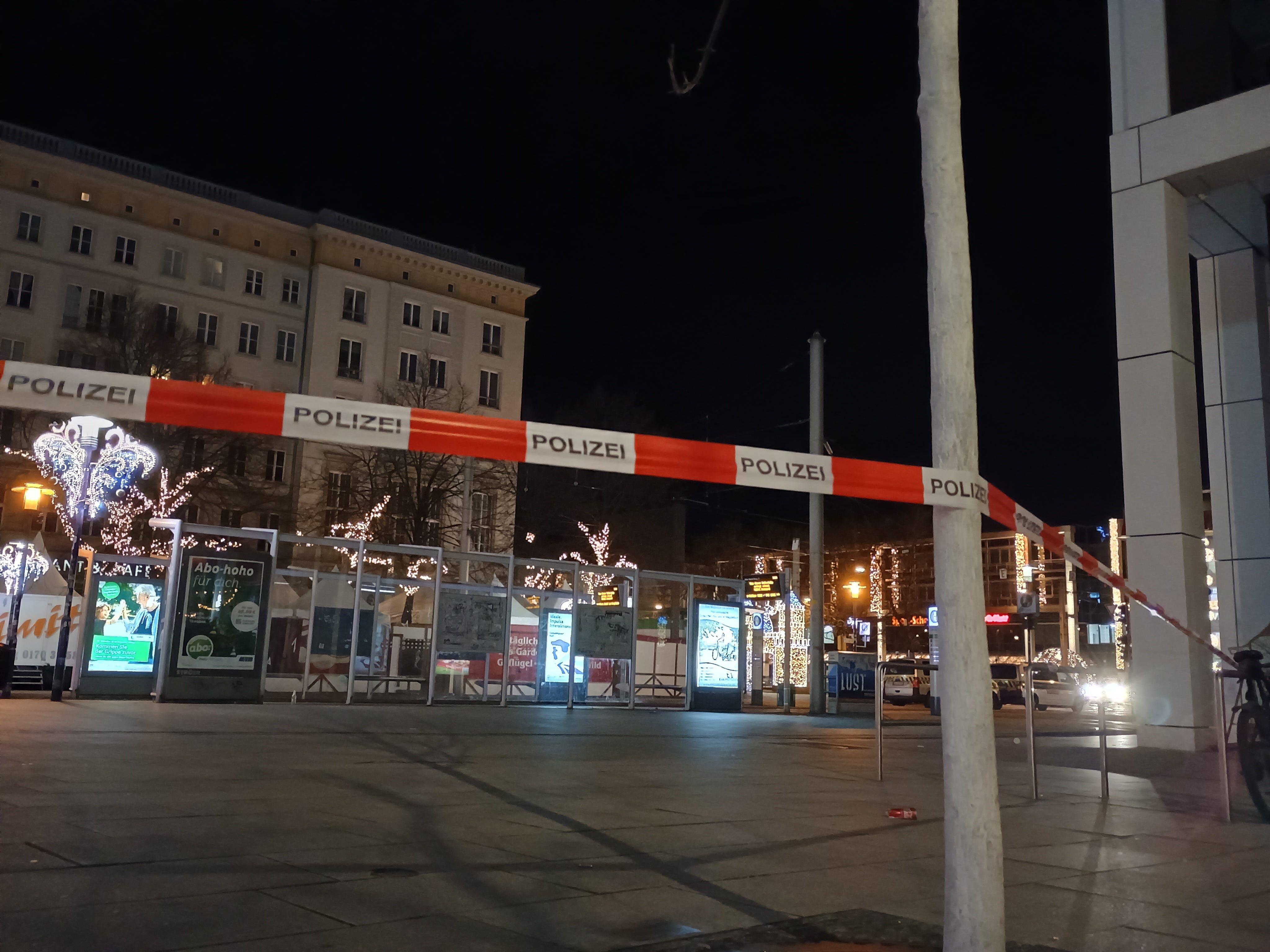
A court in Magdeburg, eastern Germany, found a 51-year-old psychiatrist from Saudi Arabia guilty of ramming an SUV into a crowd at a Christmas market on December 20, 2024, killing six people and injuring hundreds. The court sentenced the man to life in prison after finding that the crime constituted a particularly serious offense under German criminal law, reports Deutsche Welle.
The man, who was granted asylum in Germany in 2006, was found guilty of six counts of murder, including the deaths of five women and a 9-year-old boy. He was also found guilty of hundreds of counts of attempted murder and causing serious bodily injury. Police managed to arrest the man at the scene immediately after the attack.
The man, who had fled Saudi Arabia, claimed to be a critic of the Saudi government’s political and religious persecution. He had criticized Islam, supported right-wing groups, and portrayed himself as a champion of women’s rights in Saudi Arabia. At the same time, he had several conflicts with German authorities.
According to prosecutors, the man’s actions were motivated by dissatisfaction over losing several civil and criminal court cases. Prosecutors were convinced that he acted alone, concerned only with himself. However, prosecutors did not find the defendant’s testimony in court particularly convincing. For example, he admitted that he drove his car into a crowd of Christmas market visitors but claimed he did not intentionally run people over. A psychiatric evaluation diagnosed the defendant with narcissistic personality disorder but concluded that he is nonetheless fully criminally responsible and remains a danger to others.
The convicted man may still appeal the court’s decision.