


Over the past week, the following topics attracted our attention:
Davos WEF: Skies Packed with Private Jets
D. Trump: “Homes Are Built for People, NOT for Corporations!”
Canada Appeal Court: Trudeau’s Emergencies Act use unlawful
Germany Reintroduces EV Purchase Subsidies
The United States Has Left the WHO
Davos WEF: Skies Packed with Private Jets
The World Economic Forum (WEF) annual meeting began on Monday in Davos, Switzerland. Every year, heads of state, business leaders, and other influential figures gather at the event to “discuss global issues and set priorities in forward-looking discussions,” according to Euronews. Global issues, including solutions to the “climate crisis,” are discussed, and plans are made for how the rest of humanity should behave.
This year, one of the main topics of the event is “how can we build prosperity within planetary boundaries?” The WEF emphasizes that the loss of nature affects 75% of the Earth’s land area and poses a significant economic risk. The forum discussed, for example, whether EVs can really dominate, how can we avert a climate recession, and how to fuel our lives.
While conference participants urge citizens to be efficient and sustainable and propose plans for new rules and restrictions, the skies above Davos are filled with private jets. The environmental organization Greenpeace has published an analysis entitled ”Davos in the Sky“. The analysis covers private flights that have arrived at or departed from airports in the Davos region before, during and after the conference over the last three years. It found that the number of private flights has increased sharply in just three years, even though the overall number of participants in the forum has not changed significantly.

For example, last year, 709 additional flights by private jets were registered at airports near Davos during the week of the forum. That’s roughly one private flight for every four WEF participants. Compared to the previous year, the number of private flights had increased by 10%, but compared to 2023, it’s a threefold increase. Many private jets flew to and from Davos several times during the same week, which, according to Greenpeace, makes the event a “hub for private jets.” The organization also calculated that approximately 70% of private flights to Davos could have been completed in one day using trains. In other words, private jets are often used for short distances, one of the most striking examples of which is perhaps the private jet habit of European Commission President Ursula von der Leyen. Compared to economy class flights, private jets could emit 10 to 20 times more carbon dioxide, as they tend to be larger and more polluting than commercial aircraft.
Herwig Schuster, a representative of Greenpeace Austria, says: “It is pure hypocrisy that the world’s most powerful and super-rich elite are discussing global problems and progress in Davos, while at the same time literally burning up the planet with the emissions from their private jets.” The organization is therefore calling for immediate action to restrict luxury flights and to tax private flights, as well as first and business class flights. One of Greenpeace’s solutions is to tax the super-rich to compensate for the damage they cause.
It is worth noting that, in the name of climate change, more expensive airline tickets are already threatening ordinary citizens rather than the super-rich, as increasing the share of so-called sustainable fuels will entail enormous costs for the entire sector. It can therefore be assumed that airlines will gradually start to raise ticket prices due to climate commitments. This, in turn, could mean that families with even average incomes will no longer be able to afford airline tickets, and family vacations involving air travel could become a luxury item. Another option would be for governments to intervene and keep airfares artificially low. However, this would mean that a large part of the cost would be borne by all taxpayers.
US President D. Trump: “Homes are built for people, NOT for corporations!”
US President Trump signed an executive order aimed at protecting the American Dream by ensuring that large institutional investors cannot buy single-family homes. Federal programs that encourage the sale of single-family homes to Wall Street investors must also be restricted, according to the White House.
“This Order ensures that Federal housing programs prioritize families, not Wall Street, and sets the stage for legislation to ensure that large institutional investors do not acquire single-family homes. People live in homes, not corporations,” the order emphasizes.
The order requires the White House to draft legislation and agency guidelines that would prevent agencies from approving, insuring, guaranteeing, securitizing, or facilitating sales of single-family homes to institutional investors. Instead, agencies must promote sales to individuals who wish to live in the purchased property, for example, with a first-look policies, “which give individuals and other non-institutional investors the opportunity to buy foreclosed properties before investors do”.


According to the order, President Trump’s goal is to make homes affordable again after years of Wall Street pushing first-time buyers and young families out of the market. “For many, homeownership is considered the pinnacle of the American dream and a way to invest and build lifetime wealth. However, high inflation and interest rates caused by the Biden Administration have put starter homes out of reach for millions, while large Wall Street investors have snapped up single-family homes in many communities,” the president’s order states.
Wall Street institutions such as Blackstone (BX.N), American Homes 4 Rent (AMH.N), and Progress Residential have purchased thousands of single-family homes since the 2008 financial crisis. According to Government Accountability Office 2024 study, large institutional investors owned approximately 450,000 homes by June 2022, accounting for about 3% of all single-family homes in the country.
Trump’s order explains that large investors always have more money to outbid ordinary citizens. This, in turn, further reduces the supply of affordable homes, and real estate prices in many areas have skyrocketed. Ultimately, investors have turned entire neighborhoods into rental portfolios, and communities are disappearing.
To implement the order, the Secretary of the Treasury must review the rules and guidelines related to the acquisition or ownership of single-family homes by large investors. The Attorney General and the Federal Trade Commission must monitor investors’ transactions to identify anti-competitive practices. Measures must be taken against investors who engage in anti-competitive practices in the single-family home rental market, such as price fixing, collusive vacancy agreements, etc. The Secretary of Housing and Urban Development must identify the actual owners and managers of single-family homes and institutional investors who have received federal assistance and participated in state housing assistance programs. The aim is to limit the ability of large institutional investors to obtain federal aid in the rental market and to help private owners buy or retain their homes.
President Trump recognizes that American families have housing problems and is trying to change that with this order. At the same time, the president is fulfilling his earlier promise to take swift action to prevent investors from buying up single-family homes. In addition, the president has issued other orders to lower housing costs and improve people’s ability to buy homes, such as requiring Fannie Mae (Federal National Mortgage Association) and Freddie Mac (Federal Home Loan Mortgage Corporation) to purchase $200 billion mortgage-backed securities.
Canada Appeal Court: Trudeau’s Emergencies Act use unlawful
Canada’s previous Trudeau government suffered a defeat in the Court of Appeal, as the court ruled the authorities did not act lawfully when they declared a state of emergency in 2022 to forcefully and brutally suppress protests by the truck drivers who opposed the government’s coronavirus measures, including vaccine mandates, Reclaim The Net reports. The court found no legal or factual basis for declaring a national emergency and ruled that the Emergencies Act was not established with intent to silence such civil liberties protests.
As you may recall, Canadian truckers and others who joined them protested against vaccine mandates and unreasonable pandemic restrictions during the coronavirus crisis. However, after several weeks, authorities dispersed the protesters using harsh force. In an unprecedented move, the government also froze the bank accounts of participants in the so-called Freedom Convoy, seizing assets of individuals and companies. Although the protest was largely peaceful, then-Prime Minister Justin Trudeau’s government invoked the Emergencies Act to disperse the demonstration. The Act granted the federal government broad powers, including banning gatherings and freezing or confiscating assets.

In its ruling, the Court of Appeal agreed with lower court judge Richard Mosley’s conclusion that using the emergency law to disperse the protest was unlawful and violated the Constitution and the right to freedom of expression. The appeal judges stated: “However disruptive the blockades and truckers’ protests in Ottawa may have been, they did not pose a threat to national security.” In other words, the protests may have disrupted traffic, but they did not constitute a national crisis or threaten the country. The court also found no evidence that the lives, health, or safety of Ottawa residents were in danger.
The court criticized the banks for carelessness and negligence in deciding whose accounts to freeze. In some cases, decisions were based on media reports and social media posts. Judge Mosley had also ruled that freezing bank accounts violated the constitutional protection against unreasonable search and seizure.
The judges also warned that a broad interpretation of the law could stifle future protests and demonstrations that block pipelines, nuclear power plants, railways, or other infrastructure. They concluded that if the truckers’ protest was declared an emergency, virtually anything could be declared an emergency in the future.
According to Howard Sapers of the Canadian Civil Liberties Association, the Court of Appeal’s decision is a historic victory for the Canadians and the rule of law. He stated that extraordinary powers should be the last resort and used sparingly, if at all. “While the extraordinary powers granted to the federal government through the Emergencies Act are necessary in extreme circumstances, they also threaten the rule of law and our democracy,” Sapers said.
The court’s ruling will hopefully serve as a warning against the creeping use of power to suppress dissent and silence critics, including through financial measures. The Emergencies Act should be used to control panic, not to fuel it, it finds. By treating political complexity as a national threat, the government set a precedent that could have turned protests into a regulated privilege. However, it is felt that the court’s verdict has restored the principle that complexity is not equivalent to a rebellion.
Although the government has not yet announced its next steps, it is widely expected to appeal the decision. Public Safety Spokesperson Simon Lafortune stated that Ottawa “remains committed to ensuring the safety and security of Canadians.”
Germany Reintroduces EV Purchase Subsidies
Germany has decided to reintroduce subsidies for electric vehicle purchases in an effort to advance its climate transition and promote the adoption of electric cars, which remain less popular. Car manufacturers naturally welcome the initiative, but environmental activists still want more, according to France24.
The German government previously subsidized the purchase of electric cars, but ended the program in late 2023 due to budget constraints. This caused a sharp decline in the already sluggish sales of electric cars, and although sales have reportedly improved slightly in recent times, car manufacturers are still struggling. The German government has therefore launched a new program which, according to Environment Minister Carsten Schneider, should help the environment, the automotive industry, and especially families who otherwise cannot afford a new, environmentally friendly vehicle.
According to Schneider, households with a taxable annual income of no more than €80,000 are eligible. Families can apply for the subsidy starting in May, and it applies to electric cars registered from January onwards this year. The state will subsidize the purchase of a fully electric car with at least €3,000, while plug-in hybrids and cars with range extenders (where a small internal combustion engine charges the battery) will be subsidized with around €1,500. There are additional subsidies for families with children and low-income households.
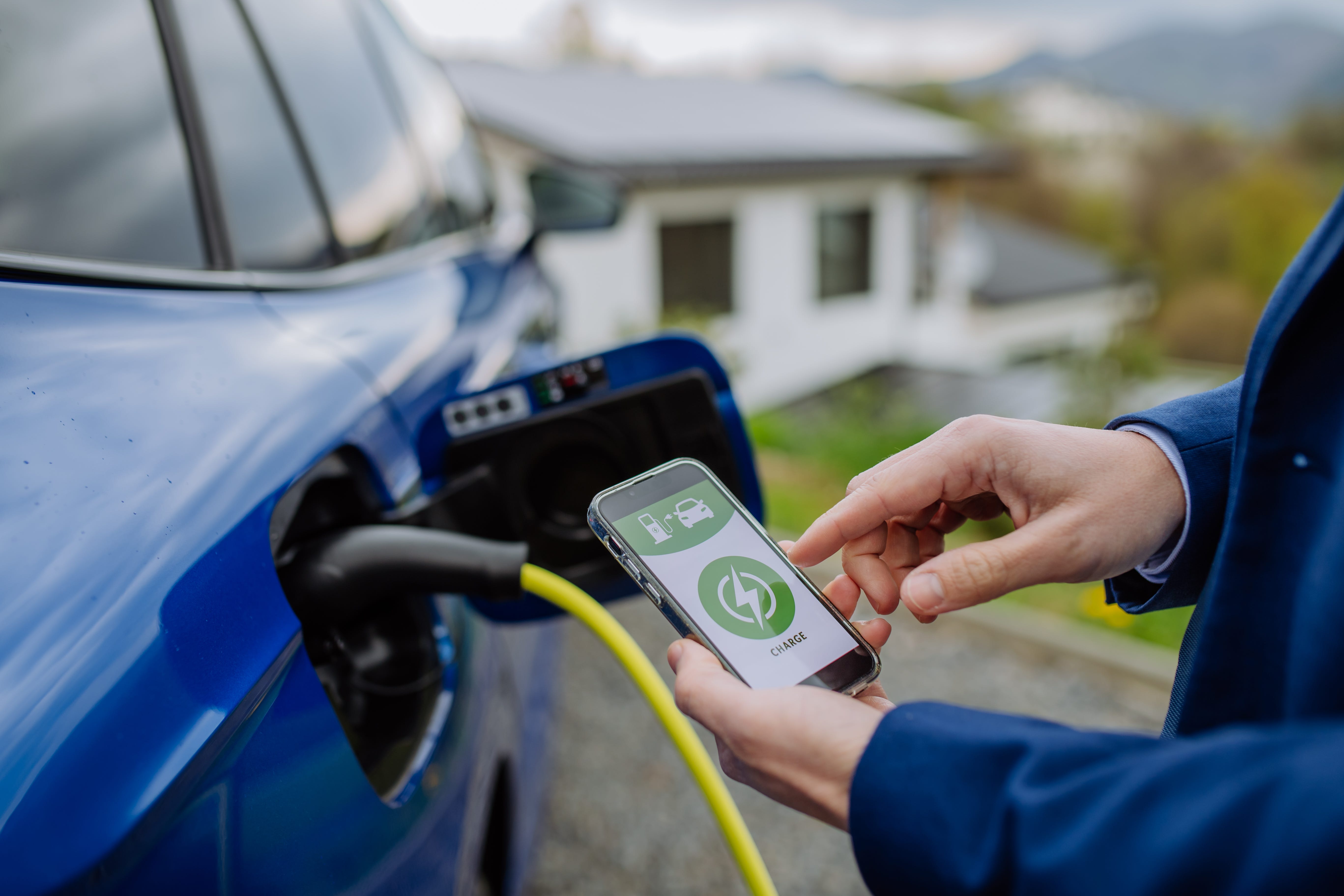
Car manufacturers believe that Germany’s decision is a step in the right direction and will support the success of e-mobility in Germany. At the same time, they believe that the state should invest more in charging infrastructure. Environmental activists, however, are critical, especially of the subsidy for plug-in hybrids, as they are said to offer almost no climate benefits compared to conventional combustion engine cars.
In Europe, the climate requirements for car manufacturers have been slightly relaxed. The European Commission has amended the previously planned complete ban on the sale of new diesel and gasoline cars and vans by 2035, replacing it with a requirement for car manufacturers to reduce tailpipe emissions by 90% (with the remaining 10% offset by measures like low-carbon steel or e-fuels). Despite this, the sector is still in serious trouble due to climate requirements.
The United States Has Left the WHO
The U.S. Department of Health and Human Services and the Department of State announced that the United States has completed its withdrawal from the World Health Organization (WHO). Reasons cited include the organization’s mishandling of the COVID-19 pandemic, failure to implement needed reforms, and lack of independence from inappropriate political influence by certain member states, as per the U.S. Department of Health and Human Services press release.

According to a joint statement by Health and Human Services Secretary Robert F. Kennedy Jr. and Secretary of State Marco Rubio, President Donald Trump’s executive order – issued on his first day in office – to initiate withdrawal from the WHO has now been fulfilled. Over the year-long process, the US ceased funding the WHO, withdrew its staff, and shifted WHO-related cooperation projects to bilateral arrangements with other countries and organizations. Future coordination with the WHO will be limited to completing the withdrawal or protecting the health of Americans when necessary.
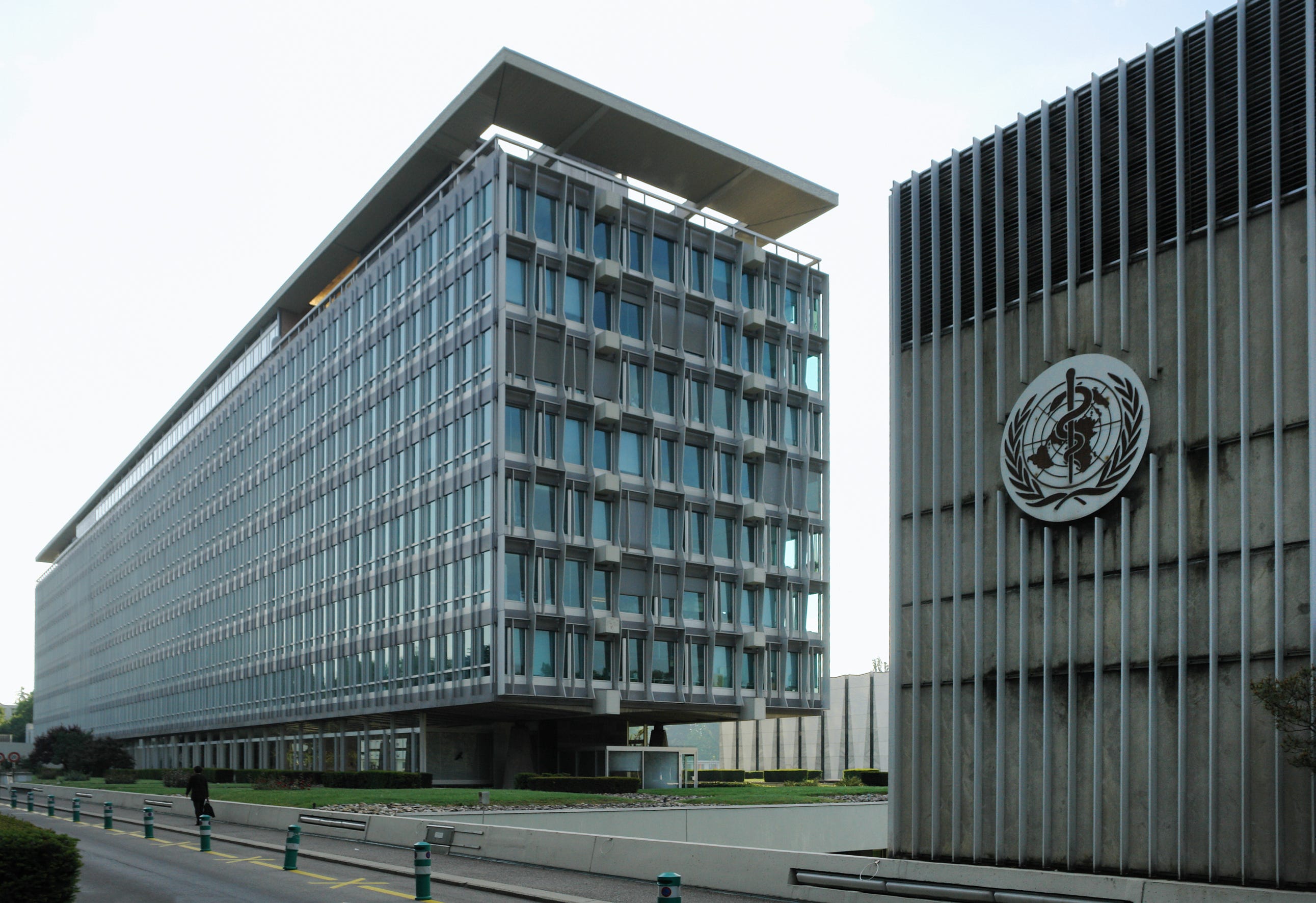
Announcements note that the WHO delayed declaring a Public Health Emergency of International Concern and a pandemic, costing the world critical weeks. Meanwhile, the organization praised China’s response despite evidence of underreporting, concealed information, delayed confirmation of human-to-human transmission, and underestimation of asymptomatic transmission risks. Post-pandemic, the WHO failed to address its weak leadership and coordination issues and instead quickly, for example, dismissed a laboratory origin hypothesis, which many scientists regarded as plausible. The said joint statement describes the WHO as having abandoned its core mission, frequently acted against US interests, pursued a political and bureaucratic agenda pushed by hostile countries, and failed to share accurate information in a timely manner, and covered up its failures under public health pretexts.
“Today, we right these injustices and bring an end to the bureaucratic inertia, entrenched paradigms, conflicts of interest, and international politics that have rendered the organization beyond repair,” the statement reads. Kennedy and Rubio add that the WHO continues to oppose the US actions, claiming the withdrawal is not to be approved, while demanding compensation and unpaid fees for the last year.
The U.S. promises to continue cooperating with other countries, the private sector, non-governmental organizations, and religious (faith-based) organizations through both new and existing bilateral health cooperation projects. The primary focus will be on emergency response, biosecurity coordination, and health innovation. Emphasis will remain on protecting Americans, while also benefiting partners around the world.