


Over the past week, the following topics attracted our attention:
US Bans Visas for EU Commissioner Breton and Anti-Disinformation Activists
Stanford Study: COVID Vaccines Saved Far Fewer Lives Than Previously Claimed
Islamist Gangs Dominate UK Prisons
UK Labour Law May Ban “Offensive” Christmas Carols
Ford Takes $19.5B Hit, Axes Large EVs
US Bans Visas for EU Commissioner Breton and Anti-Disinformation Activists
On Tuesday, the administration of US President Donald Trump imposed a visa ban on former European Commissioner for Internal Market Thierry Breton and activists who fought against disinformation. According to the US, those banned were involved in censorship on US social media platforms. The move is also seen as part of a broader campaign by the US to fight the EU’s Digital Services Act (DSA), which US officials say exceeds the bounds of legitimate regulation, Reuters reports.
The DSA aims to combat hate speech, misinformation, and disinformation, but Washington says it restricts freedom of speech and creates costs for US technology companies. Secretary of State Marco Rubio confirmed in a statement that the five individuals who have been banned from entering the country have led organized efforts to force American platforms to censor, demonetize, and suppress American opinions. “These radical activists and weaponized NGOs have advanced censorship crackdowns by foreign states - in each case targeting American speakers and American companies. As such, I have determined that their entry, presence, or activities in the United States have potentially serious adverse foreign policy consequences for the United States,” the statement said.

Although no specific names were mentioned in the Secretary of State’s statements, Under Secretary for Public Diplomacy Sarah B. Rogers posted on X: “WE’VE SANCTIONED: Thierry Breton, a mastermind of the Digital Services Act.”


US officials consider Breton to be the chief ideologist of the EU’s Digital Services Act, who, as European Commissioner for Internal Markets, threatened Elon Musk, owner of the social media platform X, and demanded compliance with requirements regarding illegal content and disinformation. In addition to Breton, the US also imposed visa bans on several activists who have been actively fighting disinformation. According to Rogers’ post, these include Imran Ahmed, who was an ally of former US President Joe Biden’s administration in its efforts to arm the US government against US citizens. Ahmed’s non-profit organization, the Center for Countering Digital Hate (CCDH), also compiled the infamous “disinformation dozen” report, which called on platforms to block twelve so-called anti-vaccine accounts, including that of current Health Secretary Robert F. Kennedy. The US also imposed a visa ban on Clare Melford, who heads the Global Disinformation Index (GDI), which monitors hate speech and disinformation on websites. The list also includes Anna-Lena von Hodenberg and Josephine Ballon, both of whom work for HateAid, the official trusted complainant (censor) for the EU’s freedom of speech-restricting Digital Services Act, which flags undesirable messages across Europe. Both support restrictions on freedom of speech and platform regulation.
Thierry Breton posted on X, asking if “McCarthy’s witch hunt” was back, and reminded that 90% of the European Parliament and all 27 EU member states had unanimously voted for the DSA. He added: “To our American friends: ‘Censorship isn’t where you think it is.’”

In a statement, Anna-Lena von Hodenberg and Josephine Ballon of HateAid described the US visa bans as an attempt to obstruct the enforcement of European law on US companies operating in Europe. “We will not be intimidated by a government that uses accusations of censorship to silence those who stand up for human rights and freedom of expression. Despite the enormous burdens and restrictions that the US government’s measures place on us and our families, we will continue our work with all our strength – now more than ever.”
A spokesperson for the Global Disinformation Index (GDI) called the decision “immoral, unlawful, and un-American,” describing it as “an authoritarian attack on free speech and an egregious act of government censorship.”
Stanford Study: COVID Vaccines Saved Far Fewer Lives Than Previously Claimed
A study by Stanford University, Università Cattolica del Sacro Cuore, and Fondazione Policlinico Universitario A. Gemelli IRCCS, published in JAMA Health Forum and led by John P. A. Ioannidis, examined how many lives COVID-19 vaccines have actually saved. The authors of the study concluded that between 2020 and 2024, vaccines prevented approximately 2.5 million deaths (uncertainty range 1.4–4.0 million) and saved a total of approximately 14.8 million life years. Approximately 89–90% of the deaths prevented were in the 60+ age group. The study found negligible benefits for children, adolescents, and young adults.
Dr. Ioannidis’ comparative effectiveness study assessed the lives and life years saved among vaccinated individuals worldwide from the time the vaccines entered the market in December 2020 until October 2024. Based on global administration data (~13.64 billion doses) and a conservative risk estimate, the researchers estimated that the number of vaccine-related deaths worldwide is approximately 20,000. However, independent extrapolation based on Qatar’s national mortality overview points to a wider range: approximately 16,000 to 48,000 deaths.
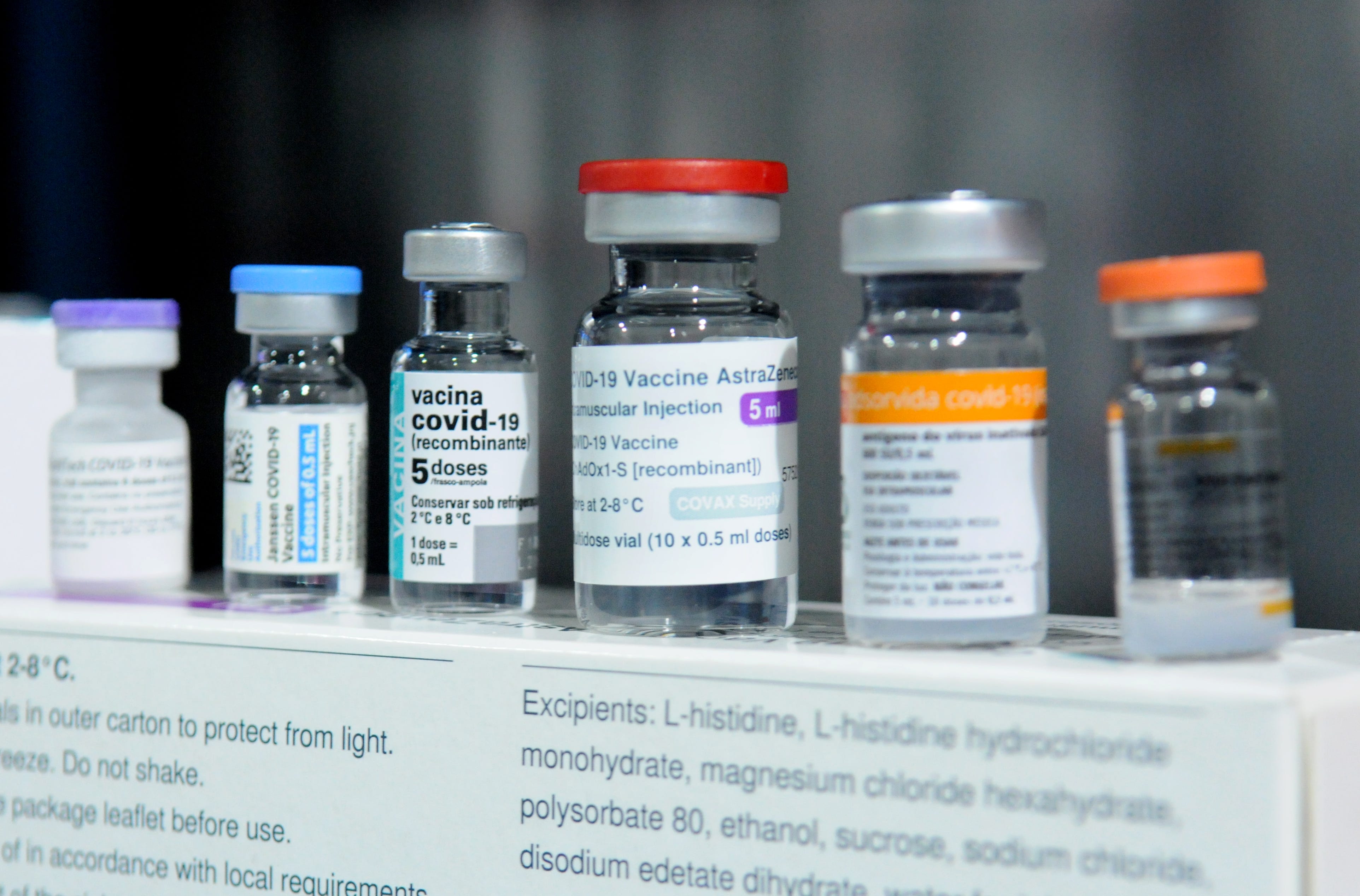
More specifically, the study estimated the number of deaths that could have occurred without vaccination and the likely reduction in mortality achieved by different vaccines. The data was categorized by age, pre-Omicron and Omicron periods, pre- and post-infection vaccination, and long-term nursing home stays. This was based on assumptions about infection rates, risk of death, and vaccine effectiveness. The study did not distinguish between deaths prevented by vaccines and deaths caused by vaccine-related injuries. Instead, the authors of the study acknowledged that the data from randomized trials are insufficient to quantify vaccine-related mortality and that estimates from registries and observational data are “highly uncertain.” According to the authors, deaths caused by the intervention may not be equivalent to deaths prevented, especially when the harms are concentrated in certain groups.
The researchers concluded that vaccination prevented approximately 2.5 million deaths, or 1 prevented death per 5,400 vaccine doses. Of these deaths prevented, 82% were among people who were vaccinated before infection, 57% were during the Omicron period, and ~90% were among people aged 60+. Sensitivity analyses estimated that 1.4–4.0 million lives were saved, with some analyses showing greater benefits before Omicron. An estimated 14.8 million life-years were saved (1 life-year saved per 900 vaccine doses administered), with a sensitivity range of 7.4–23.6 million life-years. Of the life years saved, 76% were among people aged 60+, and residents of long-term care facilities accounted for only 2%. In other words, residents of care facilities, who already have a high risk of mortality, contributed relatively little to the number of life years saved because their life expectancy was limited. Among children and adolescents, the proportion of lives saved was calculated at 0.01% and the proportion of life years saved at 0.1%. Young adults aged 20–29 accounted for 0.07% of lives saved and 0.3% of life years saved. In other words, children and young people made a very small contribution, and vaccination had almost no benefit for them.
Compared to the estimate that vaccines saved approximately 2.5 million lives, the authors find that vaccine-related deaths were “likely” about two orders of magnitude smaller than the benefits at the population level. The authors of the study emphasize that this is still an estimate and that estimates of deaths caused by side effects are “highly uncertain,” stressing that the benefit-to-harm ratio may be much lower or even reversed in certain groups, such as younger people or the elderly. Therefore, the authors of the study conclude that although COVID-19 vaccination likely reduced overall mortality, the net benefit was not uniform across the entire population. In any case, this result calls into question the absolute claim that the harmful effects of the vaccine were negligible or insignificant.
According to Raphael Lataster, BPharm, PhD, a former researcher at the University of Sydney who has previously studied excess mortality in greater depth (see here and here), Ioannidis’ study limits the exaggerated claims of previous COVID-19 vaccine modeling studies. In particular, those claiming that approximately 20 million lives were saved in one year. Lataster emphasizes that the most important aspect of the study is the clear distribution of age groups, showing that approximately 90% of the reduction in mortality was among people aged 60+, while the benefit for children and young people was negligible. Thus, the study indirectly calls into question the obligation to vaccinate low-risk population groups and, in Lataster’s opinion, brings policy closer to biological reality.
In summary, the study shows that although vaccination reduced deaths, the benefits of vaccines were much smaller than previous models claimed. The benefits were greatest for the older population, but minimal or insignificant for young people. In any case, the benefits are much smaller than originally advertised, although the exact magnitude remains highly uncertain and depends heavily on assumptions.
Islamist Gangs Dominate UK Prisons
According to UK reports from 2025, Islamist or Muslim gangs dominate several high-security prisons, including HMP Frankland, Belmarsh, Whitemoor, and Swaleside. These groups assert their control through extreme violence, such as attacks with boiling oil, makeshift weapons, and fake suicide vests, according to the Daily Mail.
Notable incidents include the 2020 attack at Whitemoor, where Islamic radicals, (one of whom had converted to Islam while in prison), used hoax bomb vests against prison staff. Another example is this year’s attack, in which Hashem Abedi, the planner behind the Manchester Arena bombing, attacked Frankland prison officers with homemade weapons and boiling oil.
Although gangs have always been part of prison life, their nature has changed as the prison population has shifted in recent years, with a sharp increase in the proportion of prisoners convicted of terrorism-related offences. The problem is worsening, as terrorism convictions have risen and the number of Muslim prisoners has grown through gang recruitment.

Those who oppose Islamist gangs or refuse to join them face brutal violence, and those who refuse to comply are often forced to convert. In some prisons, such as Frankland, are already so under the control of Islamist gangs that those who refuse to convert are kept in isolation for their own protection. Some reports on prisons have mentioned makeshift Sharia courts and higher rates of white prisoners converting (nearly 20% of Muslim prisoners). It has become apparent that while many are forced to convert to Islam, some do so for personal gain, as Muslims are allowed more time outside their cells for religious meetings and prayers.
Prison staff often feel powerless and are forced to rely on some gang leaders to maintain order, fearing accusations of racism. For example, in his 2022 report, terrorism reviewer Jonathan Hall noted that prison authorities have a ‘tendency to view Islamist group behaviour’ as providing ‘a degree of calm and stability’, leading to reluctance to intervene. However, according to Hall, the phenomenon is now so deeply rooted in the prison system that it poses a serious risk of radicalisation.
UK Labour Law May Ban “Offensive” Christmas Carols
A recently passed labor law by the UK’s Labour government may force pub owners to restrict the singing of traditional Christmas carols. The law requires employers to prevent harassment of employees on the basis of protected characteristics such as race, religion, or sexual orientation. Employers must take “all reasonable measures” to protect staff from offensive comments or actions by customers. Critics warn that this could lead to censoring beloved holiday songs to avoid legal consequences, reports The Telegraph.
In recent years, several classic Christmas songs have faced scrutiny for potentially problematic content. For example, the 1944 song “Baby It’s Cold Outside” has been criticised by the #MeToo movement for depicting a man trying to persuade a woman - who repeatedly says no - to spend the night with him. As a result, the song was banned by several radio stations in recent years. Band Aid’s “Do They Know It’s Christmas?” has been accused of spreading harmful stereotypes about Africa, with artists such as Ed Sheeran and Fuse ODG highlighting its negative impact on the continent’s dignity and economic growth. Even “Jingle Bells” has been criticised for its origins: it was first performed in an 1857 blackface minstrel show. A Boston University study claims that the song’s racist history has been erased over time.
Free speech advocates have strongly condemned the law. Toby Young, head of the Free Speech Union, called it “a ban on innocent joking in pubs, bars, and restaurants.” He argues that while the government dismisses these concerns as alarmist, Christmas carols are just the tip of the iceberg - every institution could soon become an overly regulated “safe space” policed by “banter police.” Conservatives, including MP Kevin Hollinrake, accused Labour of attacking Christmas traditions and vowed to reverse the changes if they return to power. A government spokesperson dismissed the concerns as “nonsense,” insisting that the law does not infringe on freedom of speech or stop people from enjoying Christmas carols.
Ford Takes $19.5B Hit, Axes Large Evs
Ford expects to take a $19.5 billion charge for its decision to abandon production of the F-150 Lightning electric pickup truck and other large electric vehicles in order to focus on more profitable hybrid and internal combustion engine models. The American automaker’s change in strategy was influenced by the government’s recent decision to end tax incentives for the purchase of electric cars, as reported by the Financial Times.
Ford plans to invest more in the production of trucks and vans, affordable electric cars, and the energy storage business, which is initially aimed at businesses. Andrew Frick, the head of Ford’s petrol engine and electric businesses, said: “Rather than spending billions more on large EVs that now have no path to profitability, we are allocating that money into higher-returning areas.” “We are looking at the market as it is today, not just as everyone predicted it to be five years ago,” Frick said, adding that Americans have clearly expressed that while they want the benefits of electric cars, affordability and range reliability are much more important. Americans also want vehicles that meet their needs.
The company added that it is no longer sustainable to produce certain electric cars due to low demand, high prices, and regulatory changes. By the latter, the company refers to the fact that this fall, the Trump administration canceled the $7,500 consumer tax credit for the purchase of new electric cars. Following the decision, many more electric cars were purchased in September, but only temporarily, as sales fell sharply in October.
In any case, President Trump’s decisions rolling back support for climate change policies have caused car manufacturers to scale back their previous investments in electric cars. Ford chief executive Jim Farley predicts that the company’s share of electric cars in the US car market could fall from around 10-12% to 5%. At the same time, however, Ford has promised a family of smaller, more affordable, and more cost-effective electric vehicles, including a new mid-size pickup truck scheduled for release in 2027. Ford has also announced an initiative to partner with France’s Renault to produce small electric cars and vans in order to reduce costs and accelerate development to compete in the competitive Chinese market in Europe.
In addition to Ford, General Motors has also reported losses, estimating that the reduction in electric car production will result in a loss of $1.6 billion. The company has also promised to bring back the inexpensive Chevy Bolt, whose batteries are supplied by Chinese giant CATL, despite the high tariffs imposed on China.
Substack readers include many who refuse to accept that the initial COVID vaccine did indeed save lives, millions of lives, almost exclusively among the elderly. The virus then mutated and the marginal benefit of continued boosters has almost certainly faded. The most recent era has sadly not been as well studied. It is, of course, difficult to put subjects into discreet groups with variable history of natural infection and booster shots.