


Over the past few days, the following topics attracted our attention:
Greece to Ban Social Media for Children Under 15
Russia Building WeChat-Style State Messaging App
Spain Approves Legal Status for Undocumented Immigrants
Greece to Ban Social Media for Children Under 15
Starting January 1, 2027, Greece will ban social media for children under 15. Prime Minister Kyriakos Mitsotakis cited children’s rising anxiety, sleep disorders, and the addictive nature of online platforms as the main reasons for the ban. “Greece is among the first countries to implement such a measure,” the prime minister said, according to Reuters.
Minister of Digital Governance Dimitris Papastergiou stated that, from January 1, 2027, platforms must be able to restrict underage users or face fines under the European Union’s Digital Services Act (DSA). These fines can reach up to 6% of a company’s global turnover. As a reminder, the first major fine under the DSA was €20 million issued to the social media platform X, owned by Elon Musk. Meanwhile, according to the U.S. House Judiciary Committee, the European Commission penalized the American company for technical issues and its defense of free speech.
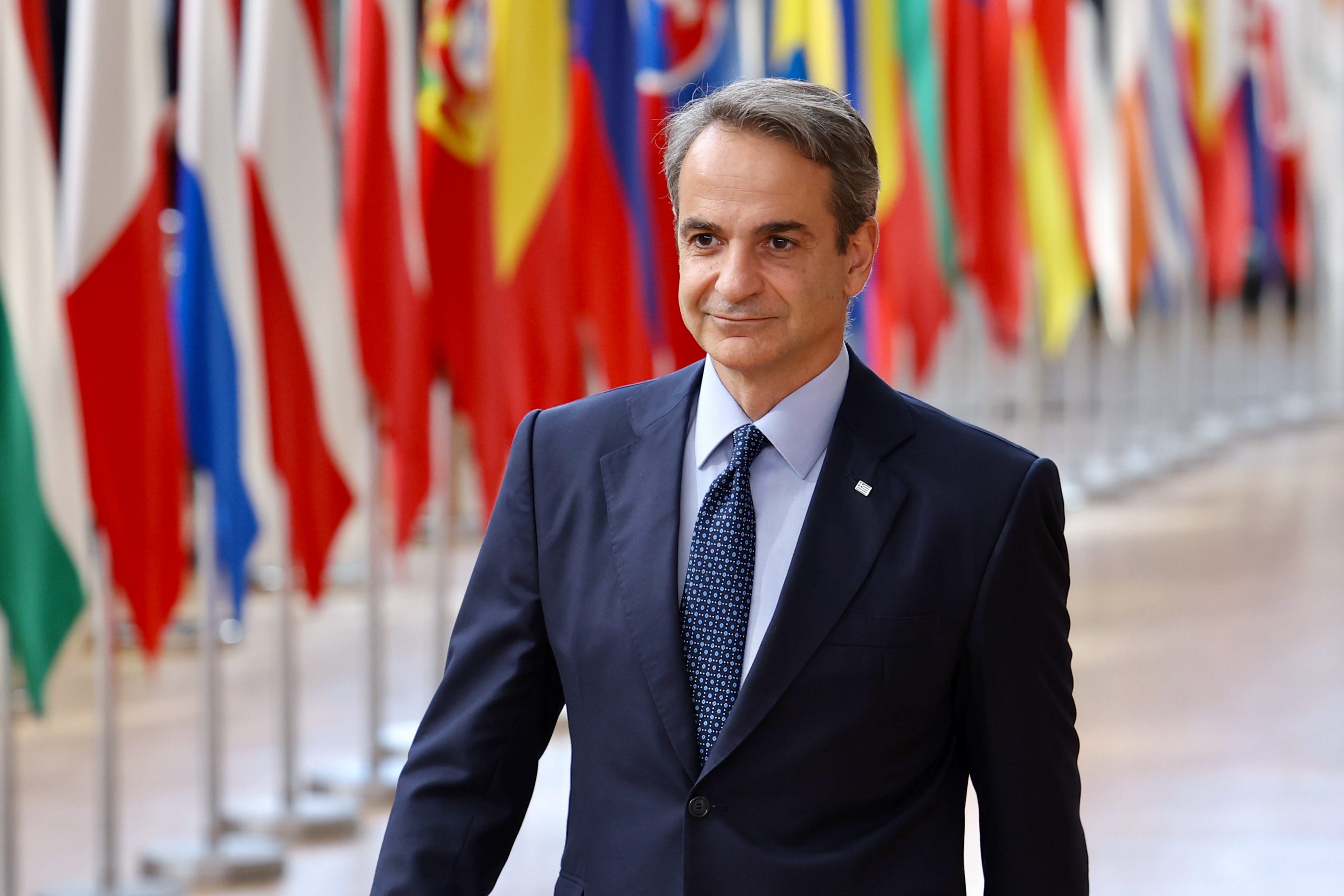
Prime Minister Mitsotakis added that Greece aims to encourage the rest of the European Union to adopt a similar social media ban and age verification system. He explained that he has proposed a coordinated EU-wide approach, as national measures alone are not enough to protect minors from internet addiction. Greece also suggested establishing a “digital age” of 15 across the Union and requiring all platforms to verify users’ ages. Furthermore, the country believes uniform enforcement rules and penalties should be introduced, with common EU regulations potentially finalized by the end of this year.
Currently, Greece cannot yet force social media platforms to verify users’ ages, as parliament does not plan to pass the law until mid-year. The government is therefore recommending the use of existing mechanisms already in place under the European Union and in Greece. It has also called on parents for support. According to a February opinion poll, about 80% of respondents backed the social media ban. Mobile phones are already prohibited in Greek schools, and the government has created parental control platforms to help limit teenagers’ screen time.
Russia Building WeChat-Style State Messaging App
The Kremlin has long urged Russians to switch from foreign messaging apps to Max, a domestic app developed by VK. To push adoption, authorities have introduced several coercive measures, trying to make Max seem indispensable for everyday life. Despite these efforts, Russian users have not embraced the app enthusiastically. While some claim Max’s functionality is inferior, critics argue its main drawback is that it serves as a powerful state surveillance tool, Reuters reports.
So far, Russia’s most popular messaging app has been Telegram, created by Pavel Durov. However, the authorities have attacked it for years through blocks and fines. Nevertheless, Telegram has grown from a simple messaging service into a major platform offering business tools, monetization for content creators, and even crypto transactions. The Russian government sees this “platform economy” as a key way to accelerate slowing economic growth.

That is why VK CEO Vladimir Kiriyenko has drawn inspiration from Chinese messaging apps while developing Max. The plan is to integrate third-party chatbots into an open system, just as WeChat does in China, to create new services for businesses. “The Asian model, exemplified by WeChat, succeeded thanks to its open system,” Kiriyenko explained, adding that partnerships are the key to success. For example, last month China’s Tencent launched ClawBot, a tool that integrates WeChat with OpenClaw, an open-source AI agent capable of transferring files and sending emails on behalf of users. Kiriyenko also confirmed that VK is studying Douyin’s short-video e-commerce model, which has proven highly successful. “When people consume content, they follow creators who promote products and services in areas such as beauty, health, and fashion. I am currently working on developing this into a more collaboration-oriented format,” he said, noting that around 500,000 businesses have already registered as Max users.
Vladimir Kiriyenko was appointed CEO of VK in 2021. It is worth noting that his father, Sergei Kiriyenko, is a former prime minister and currently serves as first deputy head of the Kremlin administration. There he oversees domestic policy and is considered one of the most influential figures in Russia’s power structure — often called Putin’s “gray cardinal.”
The messaging app Max began to be aggressively promoted in Russia last year. Ads appeared everywhere, combining threats and direct coercion to force users to switch. Max is now required to be pre-installed on all new smart devices. At the same time, authorities continue to restrict other messaging apps after years of trying to control or monitor WhatsApp and Telegram. They have also targeted Western internet giants such as Facebook, Google, Apple, and Amazon, encouraging users to choose domestic alternatives like Yandex, VK, and Mail.ru.
It is no secret that the state strongly supports these domestic apps - especially Max - whose ultimate goal is to become the single platform for all communication with the government and other services. The Kremlin has stated that citizens should be able to file complaints about garbage collection, register for school classes, or book dentist appointments through Max. Several schools have already announced that all communication will move to Max, and some have even blocked access for students who refuse to use it (see also here, here).
Max works closely with Gosuslugi, Russia’s e-government portal launched more than 15 years ago. The portal forms the core of the country’s age verification systems and has been increasingly integrated with VK since 2022. Last year it was reported that digital signatures (GosKlyuch) on Gosuslugi now require Max.
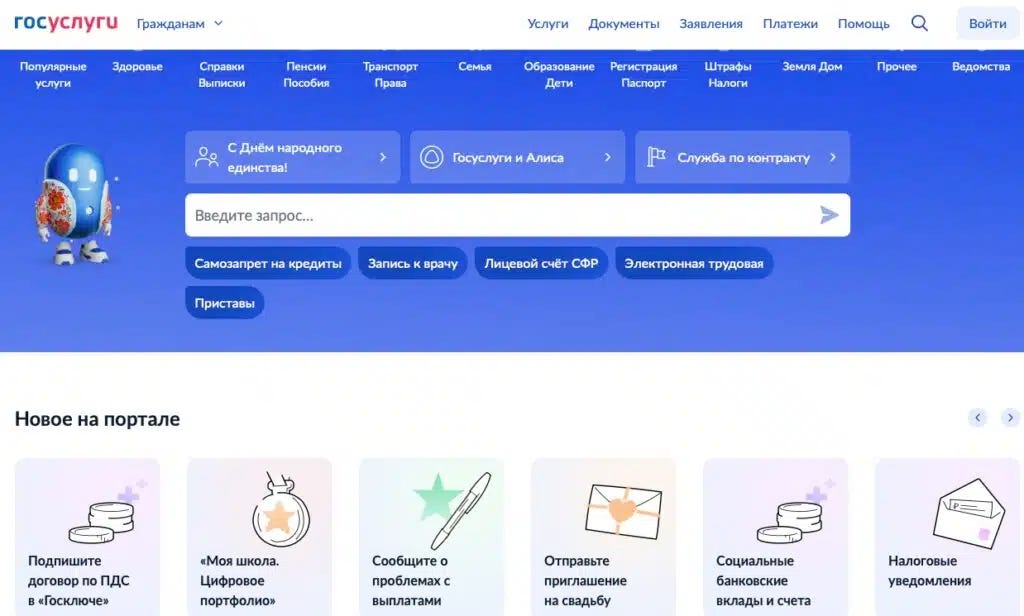
In any case, Max has had a reputation as a surveillance tool from the very beginning. Critics say the app enables user monitoring, shares data with third parties and government agencies, and logs IP addresses and activity. All actions within the app are effectively under the watchful eye of the Federal Security Service (FSB).
Spain Approves Legal Status for Undocumented Immigrants
The Spanish government has approved a plan to grant legal status to approximately 500,000 undocumented immigrants. Prime Minister Pedro Sánchez wrote in a social media post: “An act of normalization, of recognizing the reality of nearly half a million people who already form part of our daily life. And, also, an act of justice and a necessity.” He considers the decision a model of justice and, at the same time, extremely necessary for Spain, as immigrants can now integrate into the labor market, as BBC reports.
Specifically, Sánchez believes that immigrants have helped create a prosperous, open, and diverse Spain, which has also been the country’s goal. And the immigrants now being legalized are desperately needed for the economy and public services, especially in Spain’s aging population.


Under the government’s plan, immigrants residing illegally in Spain will be eligible to apply for a residence permit initially valid for one year, which can be extended in the future. Applicants must prove that they have lived in Spain for five months and that they have no criminal record, including in their country of origin. Applications can be submitted from April 16 through the end of June.
According to estimates by the think tank Funcas, there are approximately 840,000 undocumented immigrants living in Spain, most from Latin America. However, according to the opposition, both the government’s and the think tank’s figures are inaccurate, as the current legalization process is expected to result in closer to a million applications.
Spanish immigration authorities, however, have threatened to go on strike next week, on April 21 as the country’s systems are not ready to handle up to half a million applications. Cesar Perez, head of the Spanish immigration officers’ union, said: “The government is once again implementing a new legalization program without providing the agencies with sufficient funding.”
Spanish immigration authorities, however, have threatened to go on strike next week, on April 21, because the country’s systems are not ready to handle up to half a million applications. Cesar Perez, head of the Spanish immigration officers’ union, said: “The government is once again implementing a new legalization program without providing the agencies with sufficient funding.”